
Choosing Hvac Systems That Support Zoning Controls
Zoned HVAC systems offer personalized comfort and energy savings by controlling temperatures in specific areas effectively.
Welcome to the wonderful world of HVAC zoning systems, where comfort meets efficiency! If you've ever walked into a room and felt a temperature difference from another area, you've experienced the need for zoned heating and cooling. In this blog post, we'll explore the ins and outs of choosing HVAC systems that support zoning controls, helping you make informed decisions for your home or business.
What is HVAC Zoning?
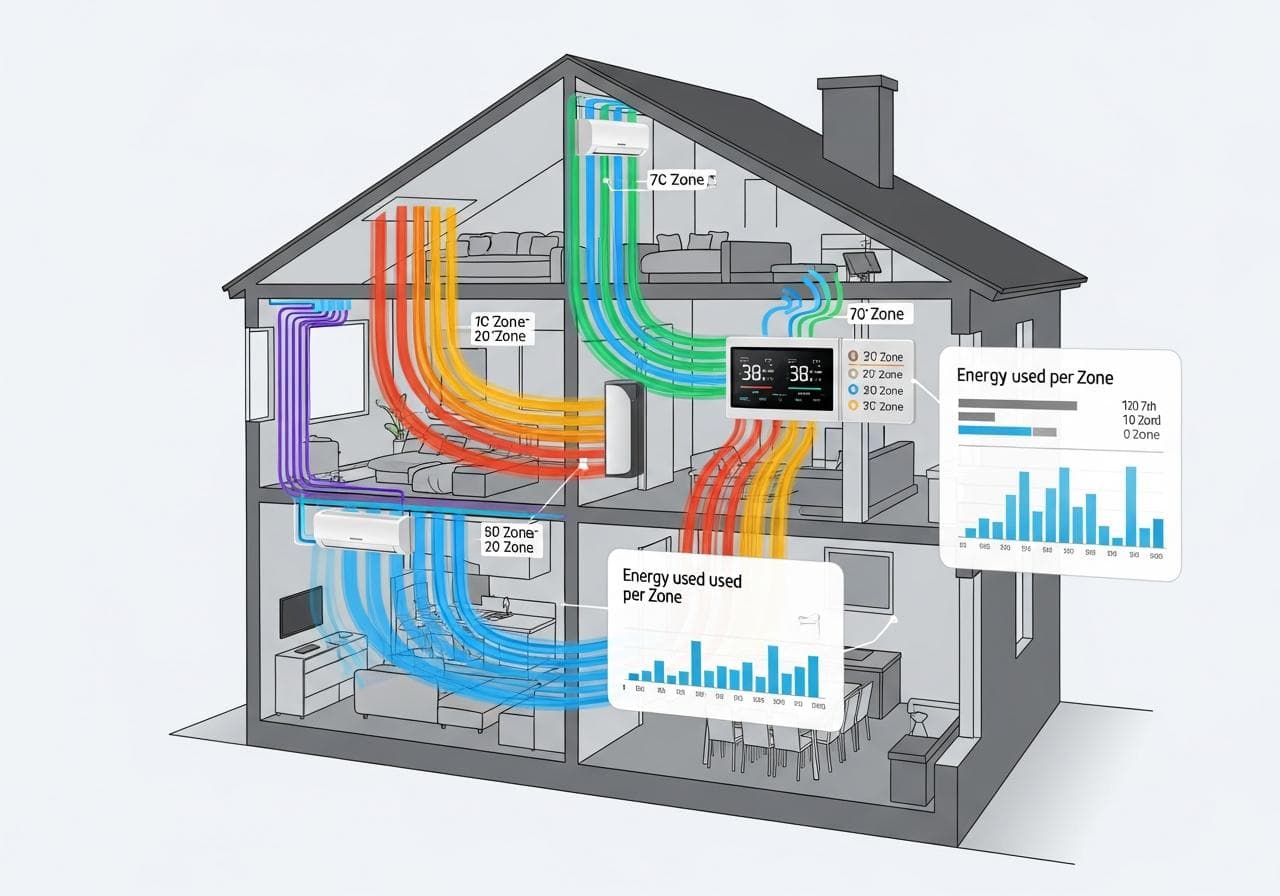
HVAC zoning refers to a system that allows different areas, or zones, of a building to be heated or cooled at different temperatures. This is especially beneficial in larger spaces where temperature preferences vary from one room to another. By implementing HVAC system zoning, you can significantly enhance comfort levels while potentially reducing energy costs.
Understanding Zoned HVAC Systems
At the core of zoned HVAC systems are the components that manage airflow and temperature within each zone. Usually, these systems consist of multiple thermostats, dampers in the ductwork, and a central unit. A great benefit of multi-zone HVAC systems is that they can direct the flow of conditioned air selectively. This means you won't be wasting energy heating or cooling rooms that aren’t in use.
Benefits of Zoning Controls
So, why should you consider using HVAC zoning? First and foremost, it translates into comfort for everyone. Each zone can maintain its desired temperature, and you can tailor the climate to suit various activities or preferences within your home. Another massive plus is energy efficiency—by heating or cooling only the areas you use, you'll likely see a drop in your monthly bills, possibly offsetting the zoned HVAC cost over time.
Choosing Your HVAC Zoning System
Now that we're clear on the benefits, let’s discuss what you should consider when selecting an HVAC zoning system. Start by assessing your space—how many zones will you need? Larger houses often require multiple zones, benefitting from a Variable Refrigerant Flow (VRF) system. VRF systems offer precise control and can accommodate diverse temperature needs across various zones.
Exploring Ductless Mini-Split Zoning
If ductwork isn't your thing, consider ductless mini-split zoning. These systems are incredibly versatile and can be installed without significant renovations. Each mini-split unit allows for individual temperature control, making them an excellent addition to any home. For more insights on these systems, check out this article on ductless mini-split heating and cooling systems.
Smart HVAC Zoning Solutions
Welcome to the future! Smart HVAC zoning incorporates technology, enabling you to control settings remotely via apps. This means adjusting your home's temperature settings from anywhere. More importantly, these systems learn from your habits, allowing for optimized energy use. Adding a smart thermostat to your HVAC zoning system can offer even more savings.
The Reality of Zoned HVAC Cost
One major factor troubling many homeowners is the cost associated with installing a zoned HVAC system. While the upfront costs may seem steep, consider long-term energy savings. Depending on your needs, a typical zoned HVAC cost could range from a few thousand dollars to much more. Always consult experts and request multiple quotes to get the best deal.
Designing Your HVAC Zoning System
The design of your system is crucial. A good starting point is to enlist an HVAC professional to conduct a load calculation. This ensures that your chosen units have the right capacity for the respective zones. Poorly designed systems can lead to areas being either too hot or too cold, defeating the purpose of zoning.
Why Choose Variable Refrigerant Flow?
If you’re leaning toward advanced technology, VRF systems are worth considering. These systems excel in flexibility, allowing for varying indoor climates while intelligently managing airflow. You can maintain different temperatures across the zones effortlessly! Keep in mind that skilled technicians are essential for installation due to the complexity of these systems.
Additional Considerations
Before making your final decision, consider maintenance costs as well. A well-maintained HVAC zoning system can last longer and perform better. Make sure to schedule regular check-ups to keep your system efficient and avoid costly repairs down the line.
More Resources to Explore
For additional options and products, you might like to visit this store page which showcases various heating and air conditioning solutions. It’ll give you an idea of what's available on the market today!
Conclusion
Choosing the right HVAC zoning system can greatly enhance your comfort and energy efficiency. Whether it's exploring options like ductless mini-split zoning, embracing cutting-edge smart HVAC zoning, or investing in a reliable multi-zone HVAC system, the choice is yours! Remember, a knowledgeable HVAC professional can guide you through the design and installation process to ensure you get a system that meets your unique needs. Happy zoning!
Related Posts
Ac Buying Tips To Choose The Right Unit
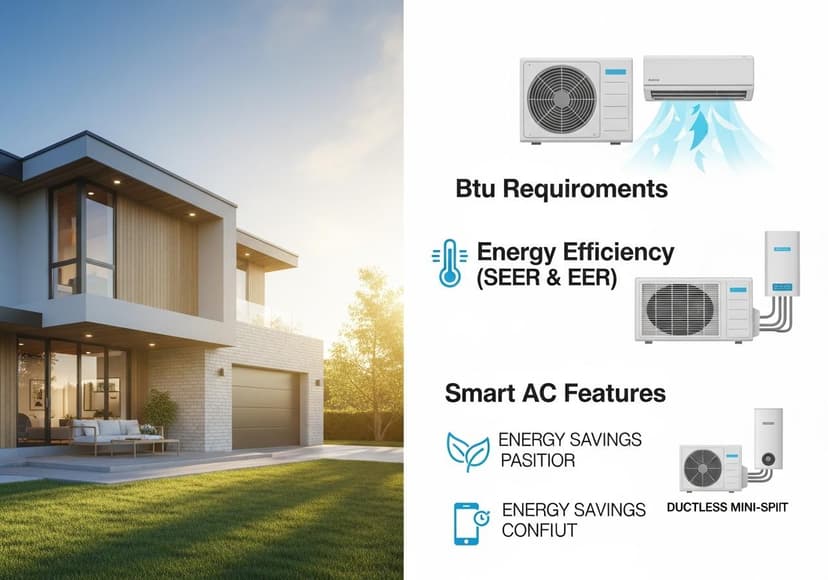
Consider size, energy efficiency, and features for optimal cooling and cost savings when purchasing.

Ac Compressor Issues Guide And Troubleshooting Tips
Common problems include clutch failure, refrigerant leaks, and internal damage, requiring diagnosis and repair.
Ac Cycling Problem Causes And Fixes
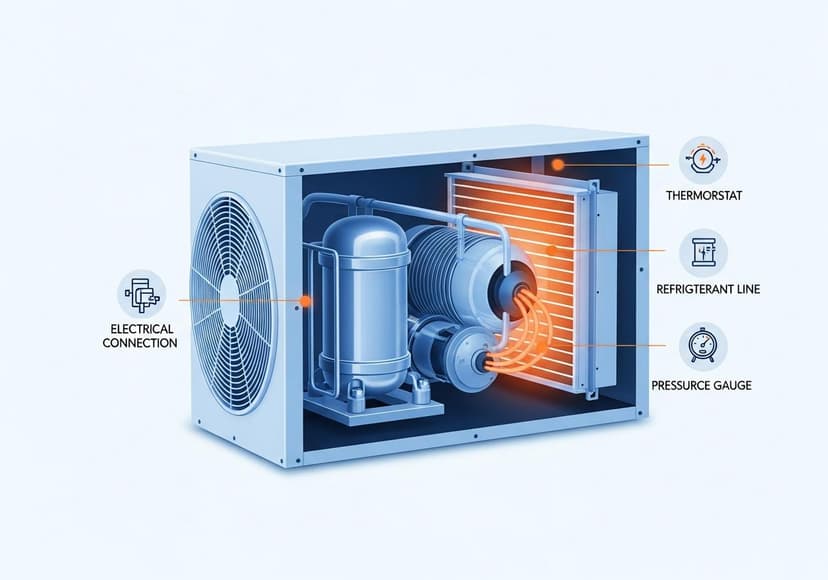
Frequent starts and stops, freezing coils, and poor cooling may indicate refrigerant leaks or airflow issues.