
Ac Cycling Problem Causes And Fixes
Frequent starts and stops, freezing coils, and poor cooling may indicate refrigerant leaks or airflow issues.
As summer swings into high gear, the last thing you want is your air conditioning unit to start playing tricks. One common issue many homeowners face is the dreaded AC cycling problem. This not-so-fun situation arises when your AC turns on and off repeatedly in short intervals, failing to maintain a consistent temperature in your home. Let’s dive into the potential causes of this problem and explore some effective fixes.
Understanding the AC Cycling Problem
Before we pull apart the components of your air conditioner, let’s understand what the AC cycling problem means. When your air conditioning unit struggles to stay on for an appropriate cycle—often running for only a few minutes at a time and then shutting off—it not only causes discomfort but also leads to inefficiencies and larger repair bills down the line.
Common Causes of AC Cycling Issues
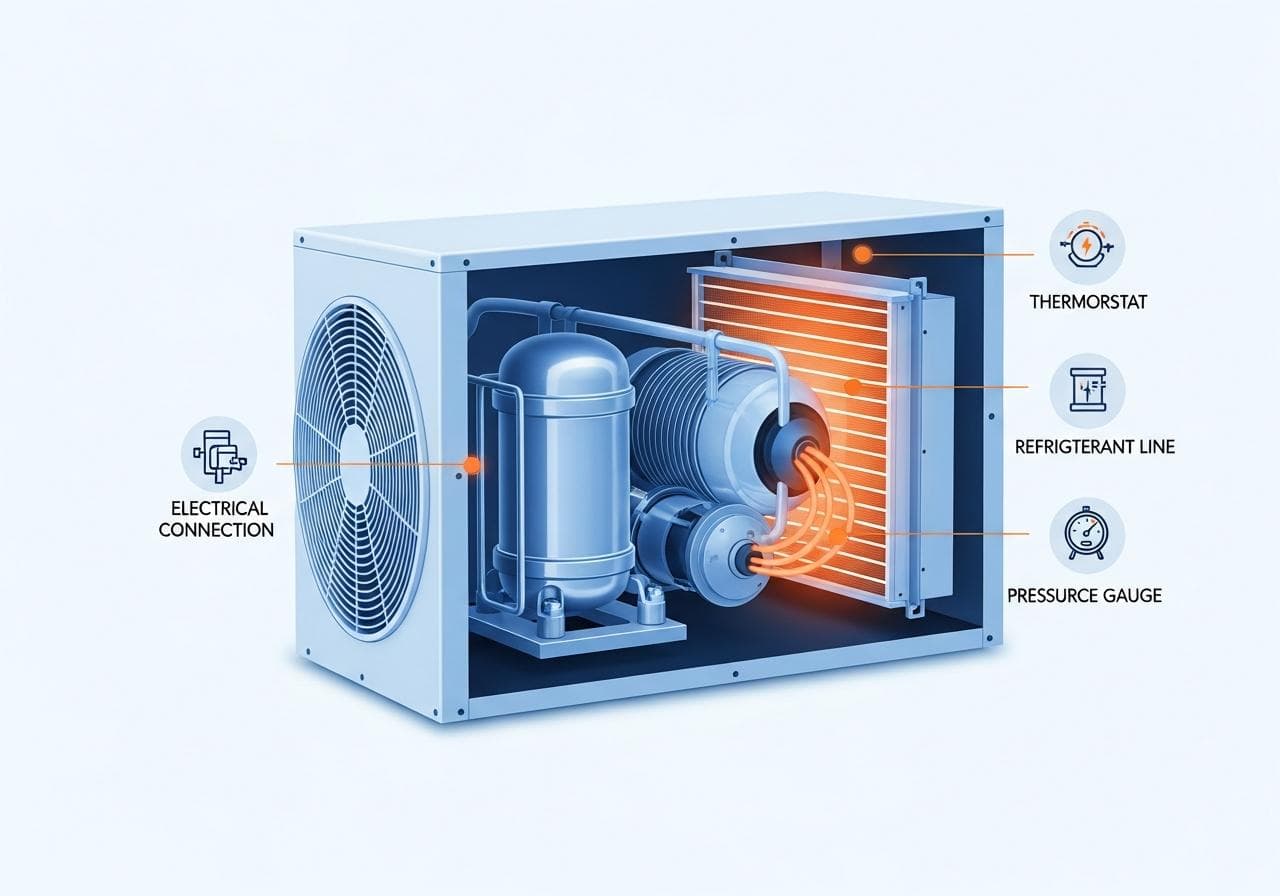
A key player in the proper functioning of your air conditioner is the refrigerant. A refrigerant leak can drastically hinder the performance of your unit, causing it to cycle more than usual. If the refrigerant level dips too low, your unit will overheat. This can result in not only repeated cycling but also major damage to your compressor.
Next on the list is the thermostat. A faulty or dirty thermostat can confuse your air conditioner, leading to frequent cycling. Make sure your thermostat is set correctly and is clean. A quick inspect and adjustment might just resolve your cycling headache!
Issues within the electrical system of your AC can create erratic performance. Loose connections, damaged wiring, or electrical shorts can all lead to the dreaded on-off behavior noted in the AC cycling problem. A certified technician usually needs to tackle these issues to avoid complicating the situation.
Relay failure and capacitor failure are also common issues in several AC units. The relay is responsible for controlling the flow of electricity to your compressor. Additionally, the capacitor helps start and run the compressor. When either of these components fails, your air conditioning unit is likely to cycle improperly.
The pressure switch can also be a crucial factor. It monitors refrigerant pressure and ensures it stays within safe limits. If the pressure switch malfunctions, it can cause inconsistencies in the cycling pattern, leading to an ineffective cooling solution.
Other Potential Causes
An inefficient expansion valve can create significant problems for your AC. If the valve doesn’t open or close properly, it can restrict the flow of refrigerant, resulting in cycling issues. This can lead to insufficient cooling and constantly running systems.
The blower motor plays a vital role in continuously circulating air across the evaporator coil and through your ductwork. If it’s malfunctioning, or if the fan is obstructed, your AC may start cycling improperly due to insufficient airflow.
Sometimes, the simplest solution is just to change or clean the air filter. A clogged air filter can restrict airflow, causing the AC to work harder and cycle more than necessary. Regularly checking and maintaining your air filter is crucial for optimal AC performance.
Last but certainly not least is the condition of the condenser coil. If your condenser coil is dirty, it can severely hinder the efficiency of your AC unit. A dirty coil can lead to high pressure within the system, causing the compressor to struggle and consequently result in cycling.
Tackling the AC Cycling Problem
As a homeowner, there are several steps you can take to maintain your air conditioning unit. Regularly cleaning or changing your air filter can ensure proper airflow, ultimately reducing cycling. Keeping your condenser coils clean from debris can also enhance efficiency. Try to wash them a couple of times a year or hire a professional if necessary.
If DIY solutions don’t seem to do the trick, it's usually best to consult a professional. Technicians can efficiently diagnose issues like compressor replacement, refrigerant leaks, thermostat issues, and any other electrical or mechanical problems. Repairing these components early on can save you from more significant expenses in the future.
Another aspect to consider is the size of your AC unit. If your AC is oversized for your space, it can cycle rapidly due to completing its cooling cycle too quickly. According to this helpful article from Fine Homebuilding, this can actually lead to humidity problems. Make sure your unit is appropriately fitted for the area it serves.
Sometimes older systems need replacing due to chronic issues. If your air conditioning unit is constantly experiencing problems and repairs are piling up, it may be time for an upgrade. Newer units are often more energy-efficient and can even prevent issues that arise from older technology. You'll be surprised at how much you could save on your utility bills!
Final Thoughts
Dealing with the AC cycling problem can be frustrating, but understanding its causes and fixes can make the process smoother. Make sure to regularly maintain your unit by checking the air filters and cleaning the condenser coils. When in doubt, reach out to professionals who can thoroughly inspect, diagnose, and rectify the problem for you.
For more insights on common air conditioner problems, check out this resource from Family Handyman. If you're considering a new AC unit, this list of recommended window air conditioners from Remodelista could be beneficial!
Related Posts
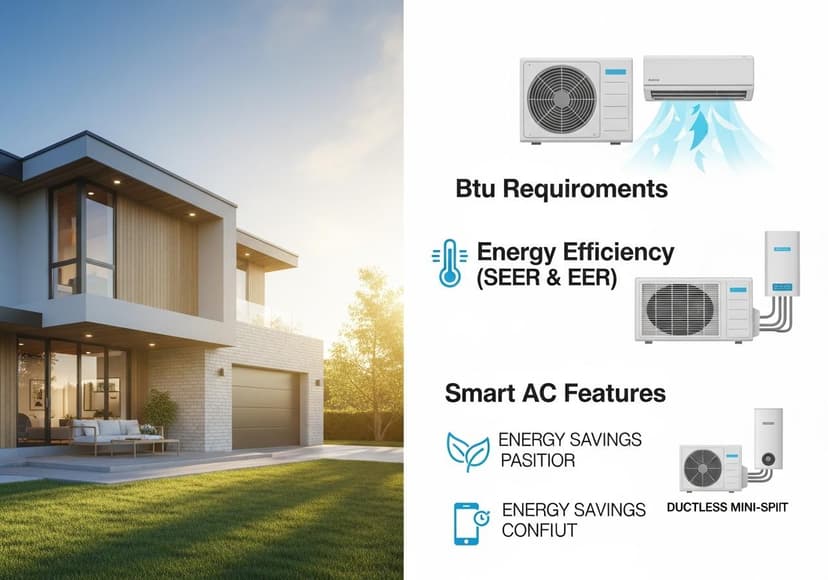
Ac Buying Tips To Choose The Right Unit
Consider size, energy efficiency, and features for optimal cooling and cost savings when purchasing.
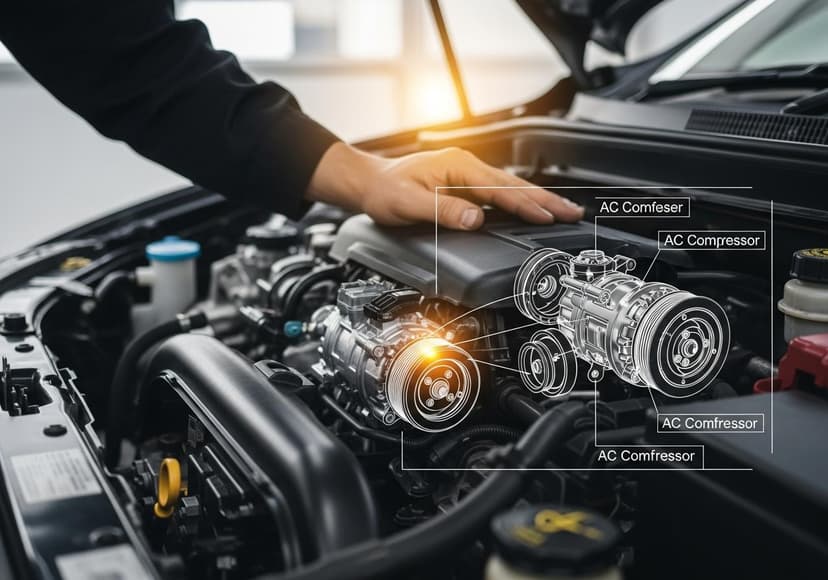
Ac Compressor Issues Guide And Troubleshooting Tips
Common problems include clutch failure, refrigerant leaks, and internal damage, requiring diagnosis and repair.

Ac Energy Savings Tips To Reduce Your Bills
Optimize AC use by setting thermostats efficiently, sealing air leaks, and maintaining filters for reduced energy bills.