
Ac Buying Tips To Choose The Right Unit
Consider size, energy efficiency, and features for optimal cooling and cost savings when purchasing.
Understanding Your Options: Types of Air Conditioners
When it comes to beating the summer heat, choosing the right air conditioner can make a world of difference. There are several types of AC units on the market, each designed to meet different needs and budgets. Among them, we have Central AC, Window AC, Ductless AC, Smart AC, and Inverter AC. It's crucial to understand these options to ensure your purchase aligns with your energy efficiency goals.
Central AC is perfect for larger homes or those who want to cool multiple rooms at once. It's connected to a network of ducts, distributing cool air evenly. However, installation can be expensive, and it may not be the most energy-efficient choice if your home lacks proper insulation.
Window AC units are excellent for single rooms and are generally more affordable. They tend to have lower installation costs and can easily be removed when not in use. However, they can be less efficient when cooling larger spaces, as each unit typically has a reduced cooling capacity.
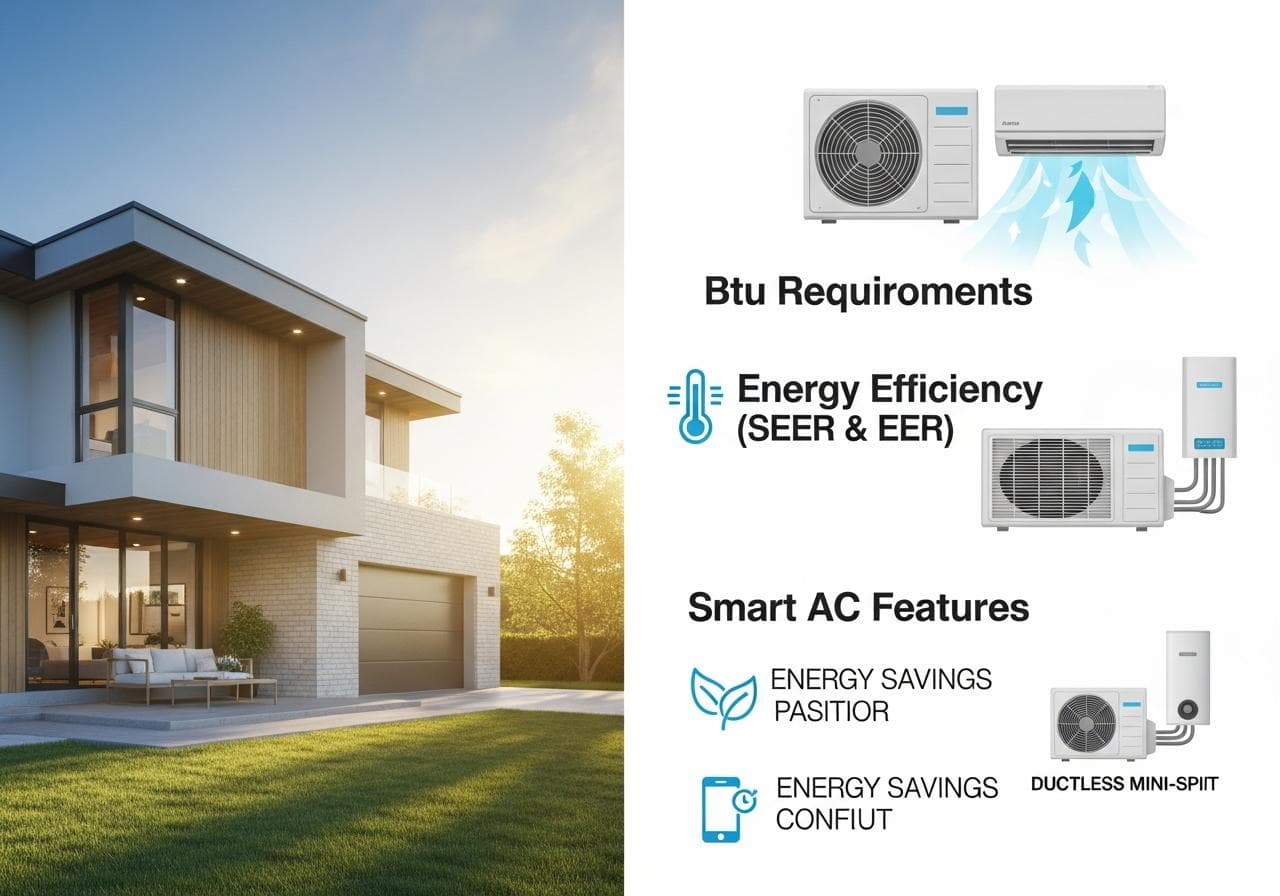
Ductless AC, also known as mini-splits, offer the advantage of flexibility and energy savings. They provide targeted cooling without needing ductwork, making them an ideal option for older homes. Smart and Inverter AC units also fall under this category, allowing for greater control over your home’s climate.
Cooling Capacity: The Importance of BTUs
One of the most critical factors when selecting an air conditioner is understanding British Thermal Units, or BTUs. This measurement indicates the cooling power of an air conditioner. Selecting the right BTU size for your space is vital; a unit that’s too small won’t adequately cool your room, while one that's too large can lead to unnecessary energy consumption.
As a general rule of thumb, you’ll need about 20 BTUs for every square foot of living space. However, various factors can affect this number, such as ceiling height, sunlight exposure, and the number of occupants. If you want to dig deeper into the calculations, you can visit this resource on room air conditioner guides for detailed advice.
Investing in the right BTU can significantly enhance your energy efficiency, keeping both your home comfortable and your energy bills down.
Efficiency Ratings: SEER and EER Explained
Once you've understood BTUs, it’s time to look into energy efficiency ratings. The Seasonal Energy Efficiency Ratio (SEER) and Energy Efficiency Ratio (EER) are essential metrics when evaluating air conditioners. SEER measures the cooling output during a typical cooling season divided by the total electric energy input in watt-hours. Essentially, the higher the SEER number, the more efficient the unit. For energy-conscious buyers, aim for a SEER rating of 16 or higher.
EER is similar but measures efficiency at specific temperature conditions. This can help you understand how well the unit performs under peak temperatures. Always check these ratings before making a purchase, as an energy-efficient AC unit may have a higher upfront cost, but the savings in your electric bill will be worth it in the long run.
Combining high SEER or EER ratings with the right size BTU unit can greatly improve your overall energy efficiency.
Special Features to Consider
Modern air conditioners come packed with features that can enhance both comfort and energy efficiency. Smart ACs, for example, allow you to control your air conditioning remotely through an app, enabling you to adjust settings according to your schedule. This feature limits unnecessary operation during times when you're not home or sleeping.
Inverter ACs are another noteworthy technology. Unlike traditional systems that turn on and off, inverter technology adjusts the compressor speed to match the cooling needs of your space. This leads to more consistent temperatures and better energy efficiency. As a general guideline, strive for appliances that offer multiple cooling options or programmable thermostats for optimal performance.
Incorporating these features can not only cool your home effectively but also make your space more energy-efficient. You can even explore options for smart air conditioners for a more streamlined experience.
Installation Considerations
Choosing the right air conditioning unit is only half the battle; proper installation plays a significant role in ensuring optimal performance. For Central AC systems, hiring a professional is essential for correct duct installation and sizing. Window and Ductless AC units can often be DIY projects if you're comfortable with basic tools. The key is to follow manufacturer guidelines closely to avoid common pitfalls.
One critical aspect to consider during installation is the humidity in your home. Overly large air conditioners can lead to insufficient humidity removal, resulting in a damp and uncomfortable living environment. For more insights on humidity issues from oversized systems, check out this article: humidity from oversized air conditioners.
Take your time and be diligent during installation—this step will make all the difference in the long run.
Conclusion
Investing in an air conditioner doesn't have to be a daunting task. Understanding the types of units, their BTUs, and efficiency ratings like SEER and EER will set you on the right path to make an informed decision. Combine these factors with modern technologies like smart features and inverter technology to enhance your energy efficiency even further.
Whether you choose a Central AC, Window AC, or a Ductless AC system, prioritizing your home’s cooling needs while being mindful of energy efficiency will pay off in terms of comfort and cost savings over time. Armed with these AC buying tips, you're well on your way to choosing the right unit for your space!
Related Posts

Ac Compressor Issues Guide And Troubleshooting Tips
Common problems include clutch failure, refrigerant leaks, and internal damage, requiring diagnosis and repair.
Ac Cycling Problem Causes And Fixes
Frequent starts and stops, freezing coils, and poor cooling may indicate refrigerant leaks or airflow issues.
Ac Energy Savings Tips To Reduce Your Bills
Optimize AC use by setting thermostats efficiently, sealing air leaks, and maintaining filters for reduced energy bills.