
Ac Compressor Issues Guide And Troubleshooting Tips
Common problems include clutch failure, refrigerant leaks, and internal damage, requiring diagnosis and repair.
Understanding Your Car's AC System
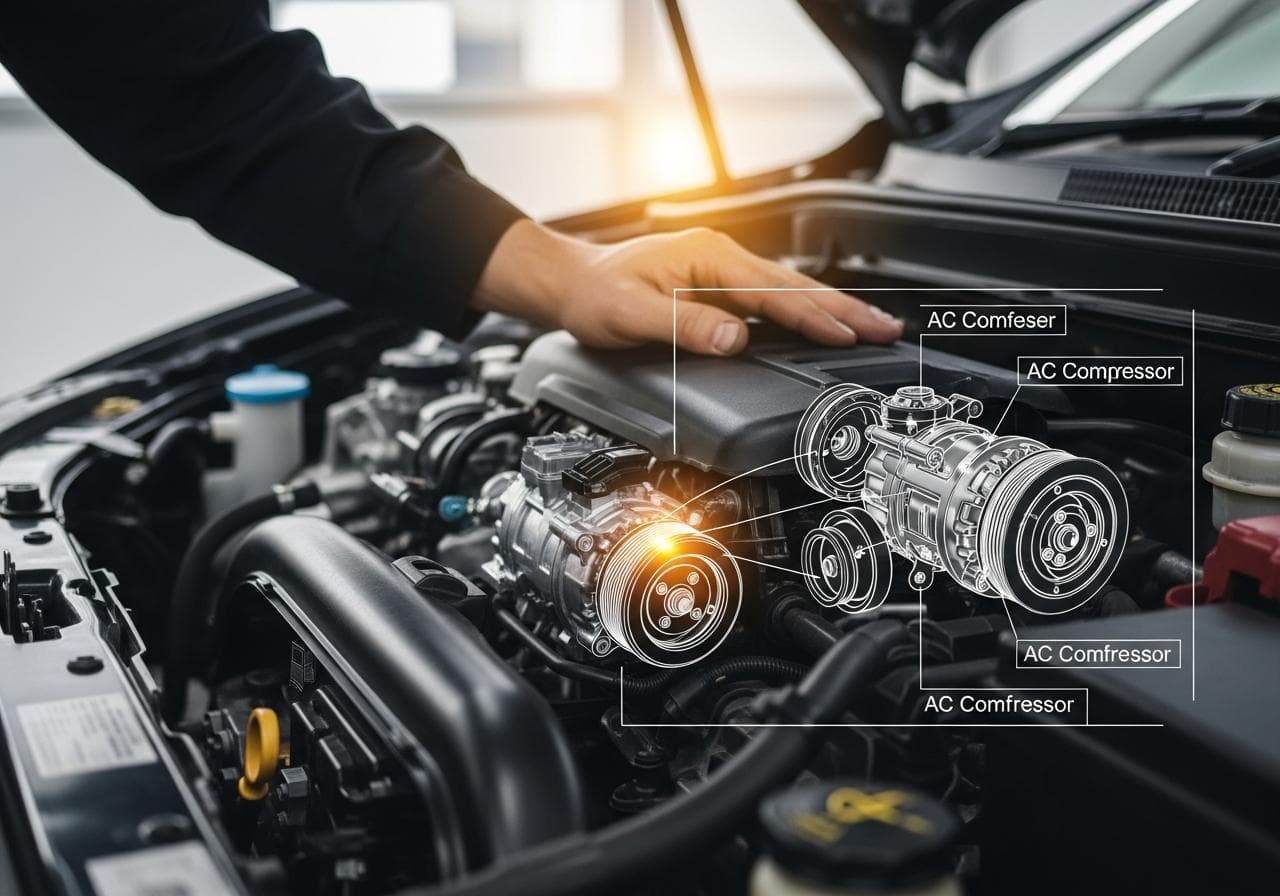
When the summer heat rolls around, you want your car's AC system to keep you cool. The heart of this system is the AC compressor. It's crucial to understand its role, as well as common AC compressor problems that can arise. In simple terms, the AC compressor circulates refrigerant, ensuring cool air flows into your car. If your AC isn't blowing cold, it can lead to an uncomfortable driving experience. So what should you do if you encounter issues with your car AC compressor? Let's dive in.
Common AC Compressor Symptoms
Recognizing AC compressor symptoms early can save you time and money. Some telltale signs include strange noises when the AC is running, an unusual smell, or the compressor clutch not engaging. You may also notice fluctuating temperatures or hardly any air coming from the vents. If you see any of these symptoms, don’t panic! Knowing how to fix car AC issues starts with proper diagnosis.
Troubleshooting Your AC System
If your car's AC isn’t working correctly, you may want to perform basic troubleshooting before heading to the repair shop. Start by checking the AC compressor clutch; if it isn’t engaging, your compressor may not be working. Also, examine the refrigerant levels; if they are low, this might be why your AC is not blowing cold. If you're interested in DIY fixes, this guide can provide useful insights.
When to Consider AC Compressor Replacement
If you've done your troubleshooting and still can't pinpoint the problem, it may be time to consider AC compressor replacement. This process can be pricey, with AC compressor cost averaging varying widely based on the make and model of your car. On average, replacement can range from $300 to over $1000 depending on the extent of the damage and whether additional repairs are necessary.
Understanding Repair Costs
Apart from the cost of replacing the compressor itself, there are additional expenses you will need to factor in, such as labor and any parts needed for AC system repair. If you only need to AC recharge the system, this is generally a much cheaper route, typically costing between $50 to $150. Evaluating your options will significantly help you understand potential expenses and make an informed decision.
Finding a Reliable Auto AC Repair Shop
Choosing a trustworthy mechanic for auto AC repair can make all the difference. Look for one that specializes in AC systems to ensure they have the right skill set. A good shop will provide a comprehensive diagnosis and discuss with you any potential repairs or replacements that are necessary. Always request a full breakdown of costs before proceeding.
Fixing Common AC Compressor Problems
Some AC compressor problems can be rectified easily. For instance, if the compressor clutch is the issue, it could simply be that the electrical connection is loose or damaged. Sometimes just reconnecting or replacing the connector can solve the issue. If you're willing to take a closer look at your AC system, don't hesitate to investigate or consult an expert for advice.
Keep Your Car’s AC Running Smoothly
Regular maintenance can prevent many issues that affect the AC compressor. Schedule routine tests of your system and have it recharged every couple of years if you're in areas with extreme heat. Additionally, keeping your car clean and avoiding using the AC excessively when it's not needed can prolong its life. For further tips and information, check out this helpful resource.
Conclusion
In summary, understanding your vehicle's AC compressor and how it operates can help you detect problems early and save you money in the long run. If you find yourself in a hot spot without cold air, remember these troubleshooting tips. Whether it's a simple fix or the need for a replacement, knowing the signs of trouble will empower you to take action. When in doubt, always consider seeking professional help to ensure the longevity and efficiency of your AC system. Don't forget to always use reliable resources to guide you and to fix your own AC problems!
Related Posts

Ac Buying Tips To Choose The Right Unit
Consider size, energy efficiency, and features for optimal cooling and cost savings when purchasing.
Ac Cycling Problem Causes And Fixes
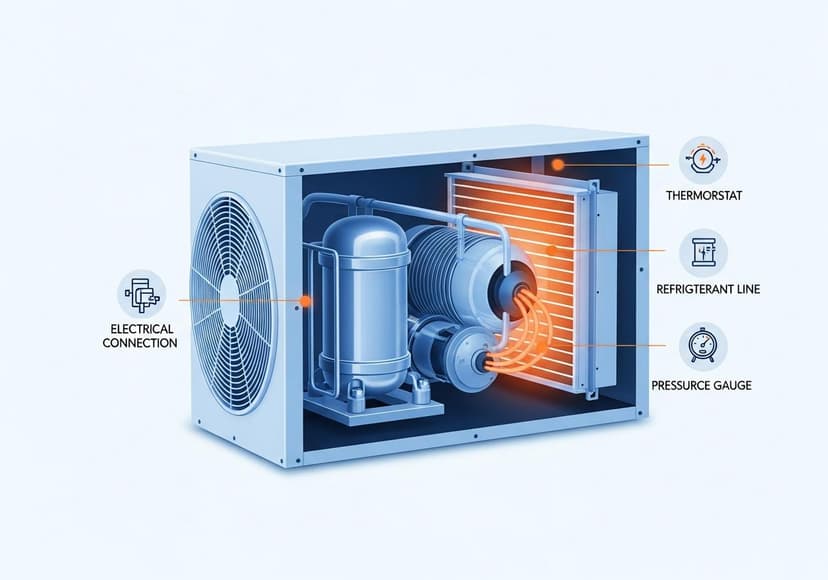
Frequent starts and stops, freezing coils, and poor cooling may indicate refrigerant leaks or airflow issues.

Ac Energy Savings Tips To Reduce Your Bills
Optimize AC use by setting thermostats efficiently, sealing air leaks, and maintaining filters for reduced energy bills.