
Choosing Hvac Systems That Maximize Energy Savings
Selecting efficient HVAC systems reduces energy consumption, leading to lower utility bills and environmental sustainability.
Understanding HVAC Systems
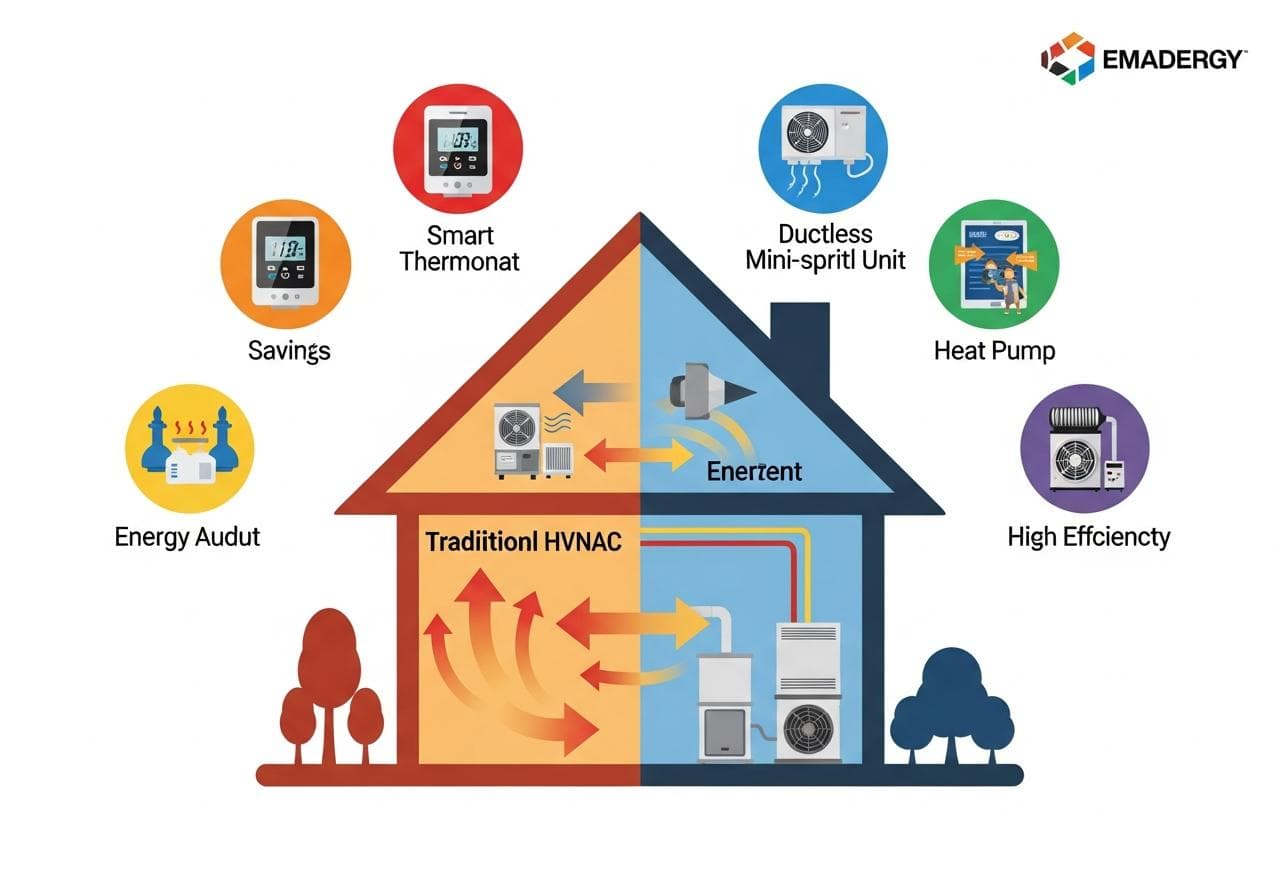
When it comes to keeping your home comfortable, selecting the right HVAC system is crucial. Not only does an efficient unit provide cozy conditions, but it also significantly impacts your energy bills. Plus, an energy-efficient system can help you contribute less to environmental issues. But before we dive into specifics, let’s address some general information. Familiarizing yourself with energy audit prices can help you assess your current system’s efficiency and pinpoint areas for improvement.
Choosing Energy-Efficient HVAC Units
One of the best ways to maximize energy savings is to invest in energy-efficient HVAC units. These come with high SEER ratings (Seasonal Energy Efficiency Ratio) and can significantly reduce your energy consumption. While the upfront HVAC installation costs may seem daunting, the long-term savings on your energy bills can make them worthwhile. You might also want to factor in the potential benefits that can come from clean energy tax credits.
Exploring Smart and Programmable Thermostats
A smart thermostat can be game-changing for your energy savings. They learn your habits and help to reduce the output when you’re not home. Their prices can vary, but investing in a smart thermostat can lead to long-term savings. When comparing not just smart thermostat prices but also programmable thermostat costs, consider how each can optimize your energy usage. Both options can make a significant difference in your overall energy spend!
Explaining Ductless Mini-Split Systems
Ductless mini-split systems are perfect for homes without existing ductwork. They offer a highly efficient means of heating and cooling localized areas. This can be particularly effective if you want to implement zoned HVAC systems in your home, allowing you to control temperatures in individual rooms. While the initial investment is higher, these systems often lead to lower long-term energy costs and decreased HVAC maintenance contracts if installed properly.
Calculating Heat Pump Expenses
Heat pumps can also be an excellent energy-saving option. They work by transferring heat instead of generating it, making them much more efficient than traditional systems. However, heat pump expenses can vary. Make sure to consult with a professional to analyze if a heat pump would work well in your climate, ensuring you're selecting the best system for your needs.
Considering Geothermal HVAC Cost
If you prefer a more sustainable solution, consider geothermal HVAC systems. Although they come with a hefty initial investment, typically referred to as geothermal HVAC costs, the energy savings over time are remarkable. With a 25-50% reduction in energy bills, these systems can pay for themselves in the long run. If you're interested, take a look at some examples in energy-efficient remodels.
If It's Time for Air Conditioner Replacement
If your air conditioner is over a decade old and showing signs of inefficiency, it might be time for an air conditioner replacement. Not only will newer models offer better energy efficiency, but they are also generally designed for better performance, which can help eliminate unexpected repairs in the future. Consider the balance between the initial costs and future savings as you make your choice.
The Importance of HVAC Maintenance Contracts
Keeping your HVAC system in top shape will ensure it runs efficiently and prolongs its lifespan. HVAC maintenance contracts can be well worth the investment, as they often include regular check-ups and discounts on repairs. Investing in maintenance can help you avoid the shock of sudden expenses and keep your energy bills in check.
Conducting an Energy Audit
Before making any significant changes to your HVAC setup, it’s wise to conduct an energy audit. The energy audit prices can vary but investing in this assessment may reveal how well your existing system works and point to specific ways to enhance efficiency. Understanding where energy loss occurs will help you make informed decisions about upgrades and improvements.
Maximizing Efficiency with Right-Sized Systems
Size matters when it comes to HVAC systems. A unit that is too small will struggle and run constantly, leading to high energy bills, while an oversized unit will cycle on and off too frequently, wasting energy. Using resources that emphasize the importance of right-sizing your HVAC systems, such as right-sizing mechanics, can ultimately lead to better energy efficiency and savings.
Final Thoughts
Choosing the right HVAC system isn't just about purchase price; it’s about holistic long-term savings and environmental impact. By considering energy-efficient units, smart technologies, and doing regular maintenance, you can significantly decrease your energy bills while keeping your home comfortable. Don’t hesitate to consult professionals to help you navigate through the process—your future self will certainly thank you!
Related Posts
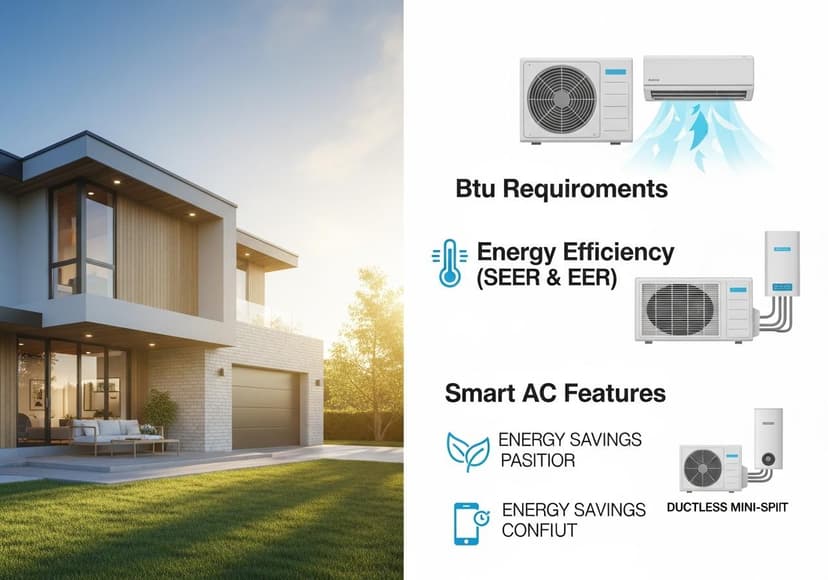
Ac Buying Tips To Choose The Right Unit
Consider size, energy efficiency, and features for optimal cooling and cost savings when purchasing.
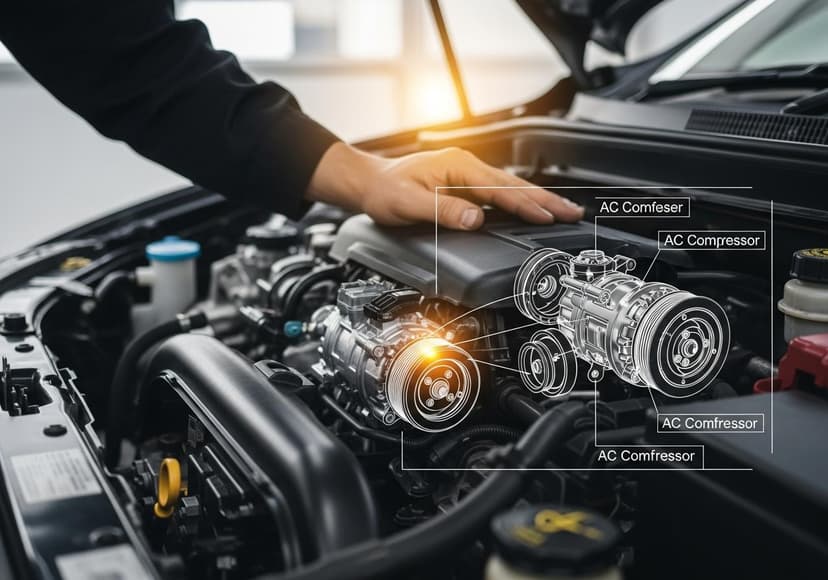
Ac Compressor Issues Guide And Troubleshooting Tips
Common problems include clutch failure, refrigerant leaks, and internal damage, requiring diagnosis and repair.
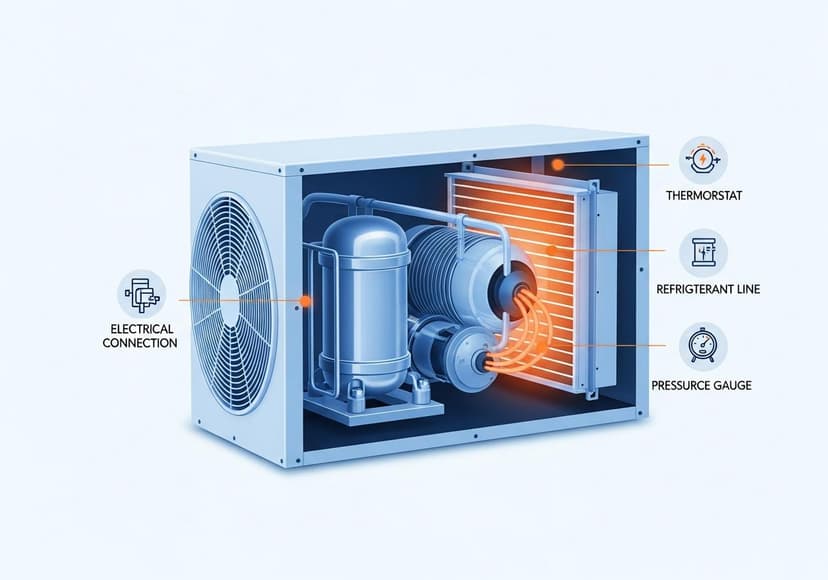
Ac Cycling Problem Causes And Fixes
Frequent starts and stops, freezing coils, and poor cooling may indicate refrigerant leaks or airflow issues.