
Ac Repairs Tips To Keep Your System Running Smoothly
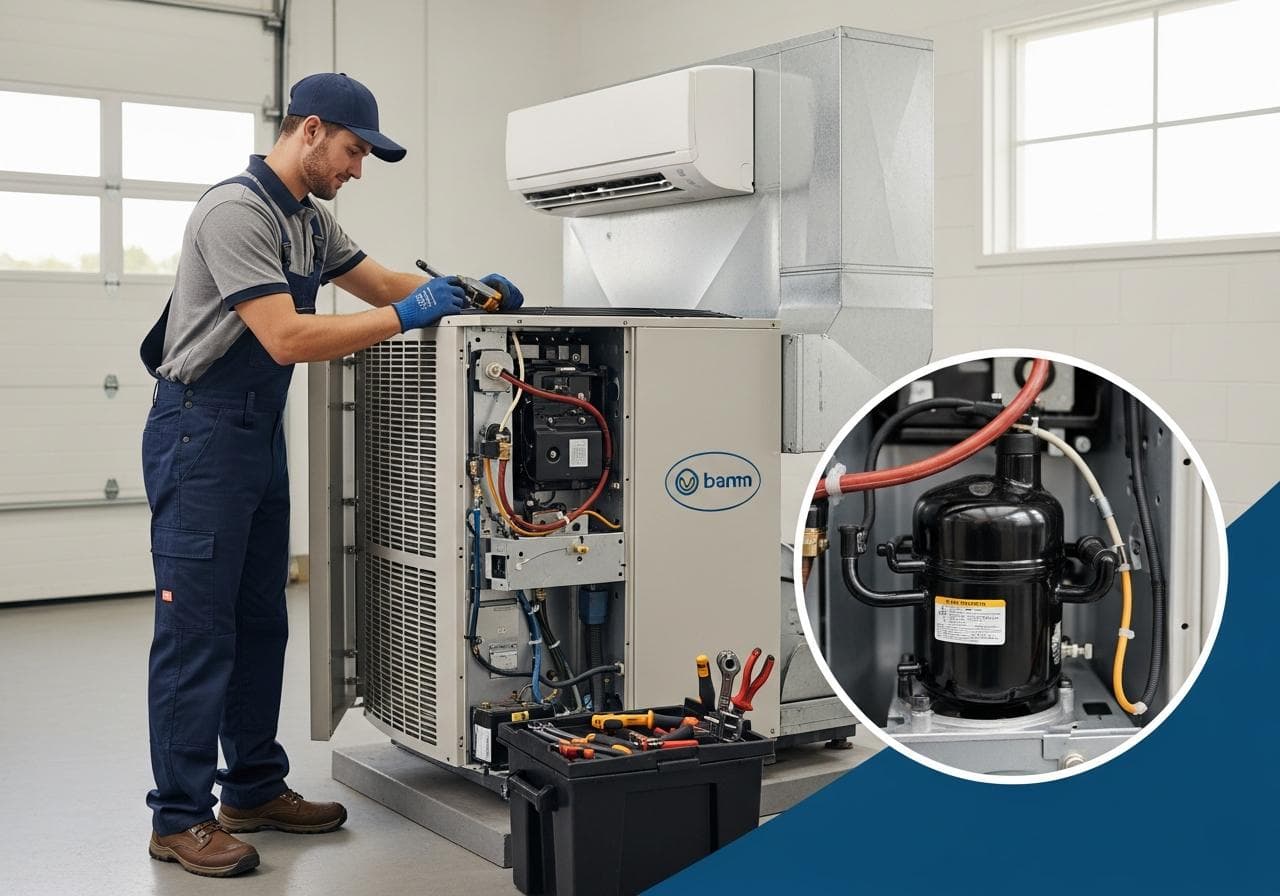
Regular AC maintenance, including filter changes and inspections, prevents costly repairs and ensures efficient cooling.
When the summer heat hits, there's nothing like stepping into a cool home with a perfectly working air conditioning system. However, if you've found yourself stuck in the sweltering heat due to a malfunctioning AC, don’t fret! In this blog, we’ll share essential tips on AC repair and maintenance to keep your system running smoothly all summer long. We will cover everything from basic upkeep to when you might need air conditioning replacement.
Understanding Your AC System
Before diving into repair tips, it’s essential to understand the components of your air conditioner. Knowing how your system works can help you identify potential issues early. The main parts include the air handler, evaporator coil, condenser, and compressor. Each component plays a critical role in cooling your home. Regular maintenance is key to avoiding significant breakdowns that might require expensive HVAC repair or even AC replacement.
Regular Maintenance is Key
Performing regular maintenance on your air conditioning unit can help prolong its life and efficiency. Schedule an annual checkup with a professional technician who specializes in air conditioning repair. They can check for any issues, clean essential components, and ensure that everything is functioning optimally. Additionally, consider routinely cleaning or replacing your air filters every month or so. Clogged filters can restrict airflow, causing your AC to work harder than necessary and shortening its lifespan.
Importance of Duct Cleaning
Another essential maintenance task is duct cleaning. Over time, dust and debris can accumulate in your ducts, affecting the air quality in your home and the efficiency of your system. If you notice dust coming out of your vents or an unpleasant smell, it might be time for a deep duct cleaning. You can choose to do this yourself or hire professionals to make sure every nook and cranny is clean.
Check and Adjust Your Thermostat
The thermostat is the brain of your HVAC system. If it’s not functioning correctly, you might end up with uncomfortable temperatures in your home. Understanding how to handle thermostat repair is vital. Start by checking the batteries if you have a digital thermostat. Ensure it's set to “cool” and at the desired temperature. If your thermostat is outdated, consider upgrading to a smart thermostat that can help you control your AC from your smartphone and learn your cooling preferences.
Compressor and Freon Considerations
The compressor is the heart of your air conditioning unit. If you experience issues, you might need compressor repair. If your unit is short-cycling or making strange noises, it could indicate a compressor issue. Additionally, keep an eye on the Freon levels in your system. If it's running low, you may need a Freon recharge. Remember, handling refrigerants requires professional help, so don’t attempt this on your own.
Emergency AC Repair: Know When to Call a Professional
Sometimes, no amount of DIY maintenance will fix a major issue, and that’s where emergency AC repair comes into play. If you find that your air conditioner is completely non-functional, it's essential to call a professional immediately. Signs that it’s time to call a technician include strange noises, leaking fluids, or if your unit is not blowing cold air. Regular system checks can help minimize the chances of unexpected failures.
Signs It Might Be Time for AC Replacement
While regular maintenance can significantly extend the life of your system, eventually, every air conditioning unit will reach the end of its lifespan. An average air conditioner lasts about 10-15 years. If your system is older than that and requiring frequent repairs, you might want to consider air conditioning replacement. Signs that suggest it’s time to upgrade include inefficient cooling, rising energy bills, and persistent breakdowns. Investing in a new system can save you money in the long run.
Enhancing Efficiency with Vent Cover Upgrades
Did you know that upgrading your vent covers can enhance the efficiency of your HVAC system? Modern vent covers are designed to optimize airflow and can even help improve the aesthetics of your home. Check out this guide on how to upgrade/change vent covers and see if it’s time for your vents to get a makeover.
Monitoring Humidity Levels
Proper humidity levels in your home are crucial for an efficient air conditioning system. If the humidity is too high, your AC will have to work overtime to cool the space. Invest in a hygrometer to monitor humidity levels and consider a dehumidifier for a better indoor environment. Maintaining an ideal humidity level will not only ensure the comfort in your home but also improve the air quality and lessen the load on your air conditioning unit.
Educate Yourself on Refrigerants
Changes in regulations may affect which refrigerant your air conditioning system uses. Understanding more about refrigerants is key to knowing when you may need air conditioner repair. Check out this resource on which refrigerant is best for your system. Be mindful that if you're using R-22, it's being phased out, and you may need to consider an upgrade or a comprehensive central air repair.
Conclusion
With these tips in mind, you can keep your AC unit running smoothly and enjoy a comfortable home all summer long. Remember, while basic maintenance can be tackled on your own, sometimes it's best to bring in the pros for a thorough check-up or major repairs. Prioritize regular servicing, stay informed about your system’s needs, and tackle any issues early before they become costly repairs. Keep cool, and know that a professionally maintained air conditioning system can be a reliable partner against the summer heat!
Related Posts
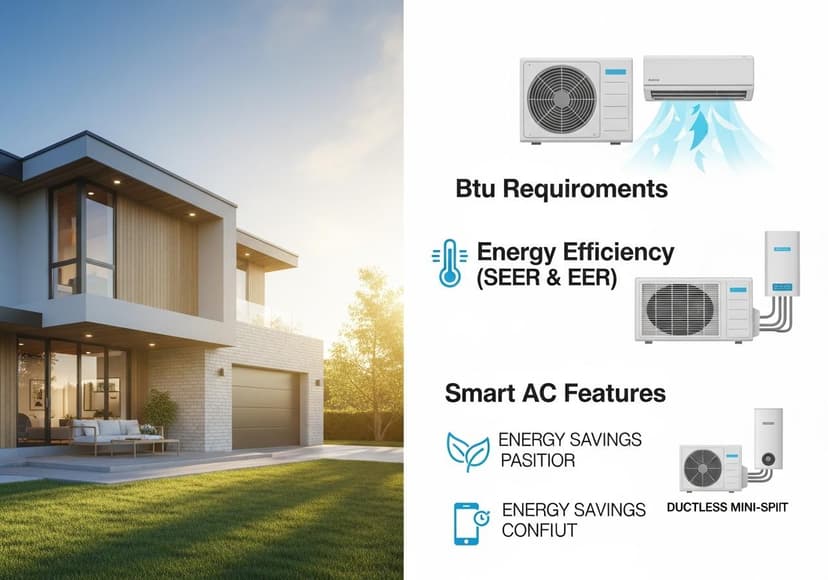
Ac Buying Tips To Choose The Right Unit
Consider size, energy efficiency, and features for optimal cooling and cost savings when purchasing.
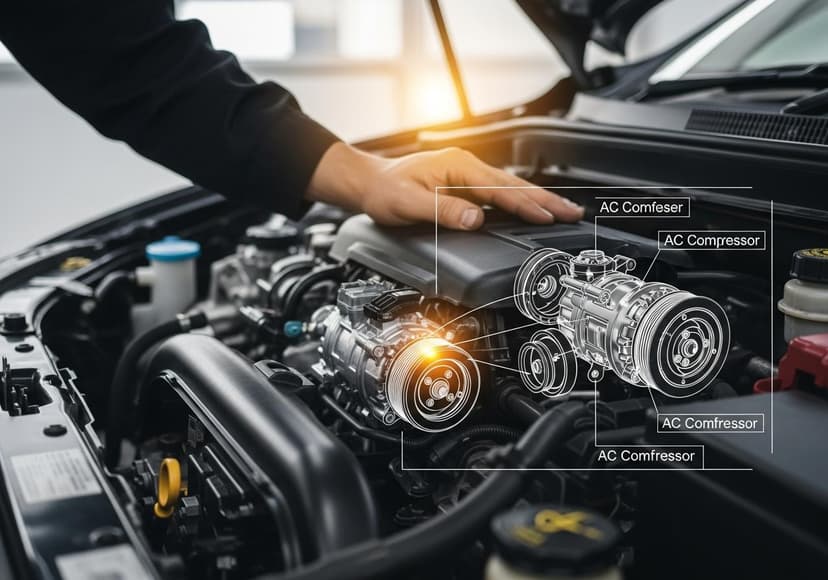
Ac Compressor Issues Guide And Troubleshooting Tips
Common problems include clutch failure, refrigerant leaks, and internal damage, requiring diagnosis and repair.
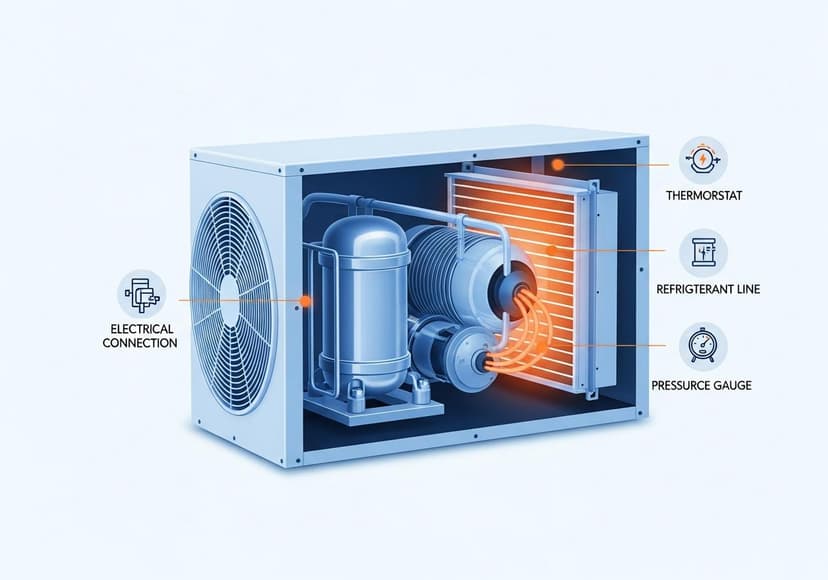
Ac Cycling Problem Causes And Fixes
Frequent starts and stops, freezing coils, and poor cooling may indicate refrigerant leaks or airflow issues.