
Ac Preventive Check Tips To Avoid Costly Repairs
Regular AC checkups avert expensive repairs, ensuring optimal performance and extending lifespan. Schedule maintenance promptly.
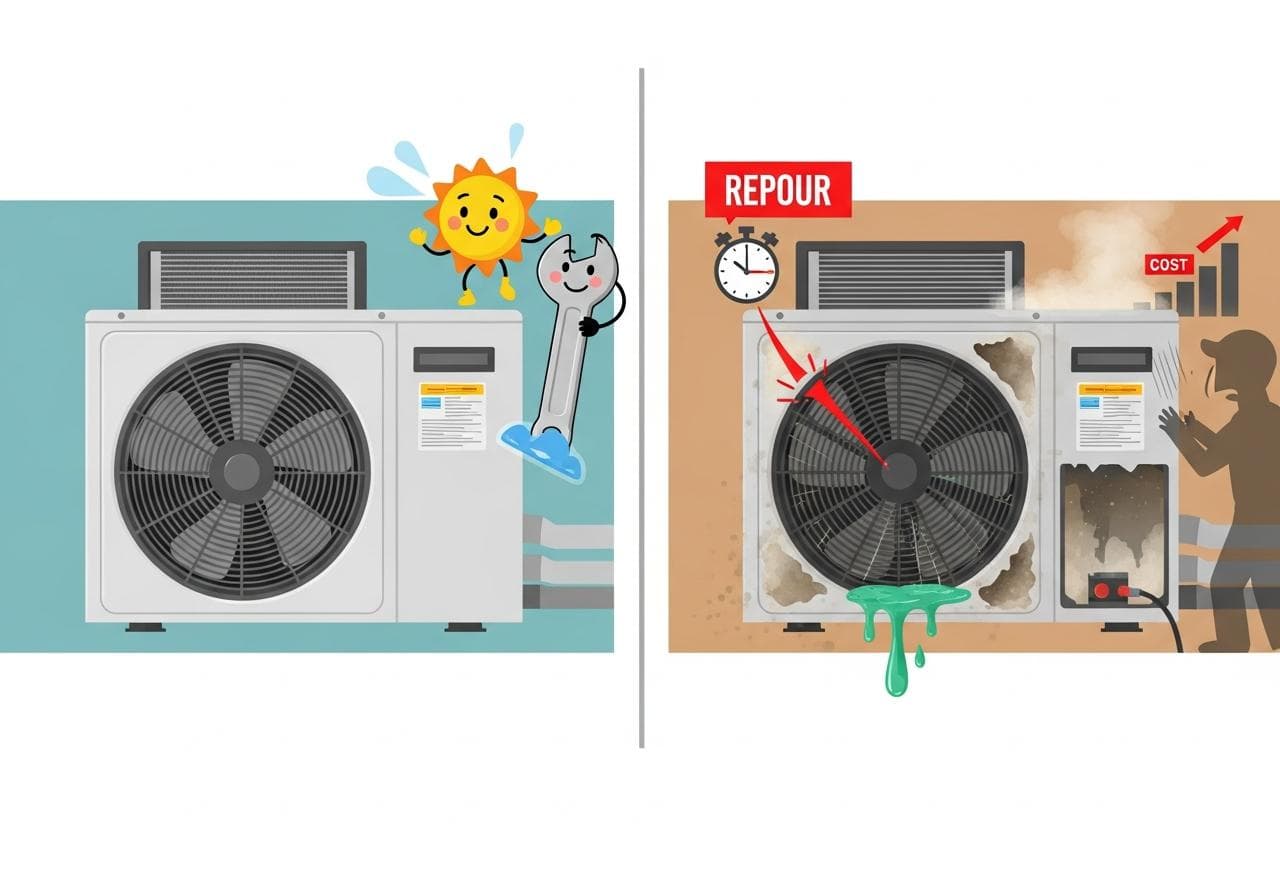
When it comes to air conditioning maintenance, the last thing you want is a high repair bill. Regular checks can help you spot problems before they escalate into significant issues. One of the common concerns homeowners face is dealing with sensor issues, which can lead to improper temperature readings and suboptimal performance. In this post, we’ll outline various preventive check tips to keep your AC running smoothly, so you can dodge those costly repairs.
Understanding Sensor Issues
First off, let's dive into sensor issues. Sensors play a crucial role in your air conditioner's functionality, helping it understand the temperature of your home. When these sensors malfunction, they can cause the AC to operate inefficiently, leading to increased energy bills and discomfort. Always ensure that the sensors are not obstructed and are clean. Dust and debris can lead to inaccurate readings, which means your AC might not cool your home properly. Regular maintenance can keep these sensors in check.
Spot the Signs of Trouble
Early detection is vital. Regularly check the system for common problems such as refrigerant leaks. If you notice that your AC is not cooling well or you hear hissing sounds, it might be time to investigate. Leaks can be expensive to fix and could result in the need for compressor replacement. Monitoring for these signs can save you a significant amount in repair costs down the line.
Keep Your Ducts Clean
Next up is duct cleaning. Over time, dust, debris, and allergens can clog your ducts, affecting airflow and efficiency. Dirty ducts can cause your AC to work harder, which increases wear and tear on your system. Schedule regular duct cleaning to ensure optimal performance. A clean duct system not only means better airflow but can also prevent sensor issues related to airflow detection.
Don’t Skip Coil Cleaning
The evaporator and condenser coils are critical for cooling, and keeping them clean is essential. Dirty coils can lead to higher energy consumption and may even require more extensive repairs like blower motor replacement. So, be proactive: cleaning the coils can extend your unit's life and ensure that it's running efficiently. Always consult with a professional for deep cleaning.
Watch for Electrical Problems
Electrical issues can be the bane of your air conditioning system. Electrical repairs often stem from faulty wiring, poor connections, or old components. Over time, parts such as your control board or capacitor can fail, leading to significant electrical problems. Also, pay attention to the fan blade. If it's damaged, it can cause strain on the motor and lead to premature failure, resulting in further expenses.
Clear the Drain Line
Another critical area to maintain is the drain line. A drain line clog can result in water damage and mold growth, which could lead to costly remediation. Regularly check and clean your drain line to ensure it's clear. This simple task can prevent major headaches and repairs down the line.
Thermostat and System Settings
Thermostat issues can also lead to complications. Ensure that your thermostat is functioning correctly and is set to the desired temperature. Sometimes, it might be as simple as recalibrating or replacing the batteries. Don’t overlook this aspect; an improper setting can lead to inefficiencies and unnecessary operating costs.
Monitor Your Fan and Blower
Your AC's fan and blower also require attention. If you notice the blower is making unusual noises or the airflow seems weak, this could indicate a potential blower motor replacement is on the horizon. Even the fan blades can get damaged or bent, leading to performance issues. Regular checks can help you catch these problems early.
Upgrade with Care
If you’re considering upgrading your HVAC system, be sure to educate yourself on the process. Proper vent cove upgrades can dramatically improve airflow and efficiency, reducing the likelihood of sensor issues and minimizing the need for extensive repairs. For more insights on this, check out this resource to ensure you're making informed decisions.
Consider Ductless Systems
Ductless HVAC systems are increasingly popular and may be worth considering for your home. They often come with fewer issues related to ducts and airflow, minimizing the risk of sensor problems. Additionally, if you’re planning any energy retrofit, be sure to check these critical details before proceeding.
Final Thoughts
In conclusion, keeping your AC in top condition requires regular maintenance checks focused on common issues such as sensor issues and electrical problems. Simple preventive measures like regular cleaning and inspections can help you avoid costly repairs and ensure your system is running as efficiently as possible. By being proactive, you can enjoy a comfortable climate in your home without the hidden risks of deterioration.
Related Posts
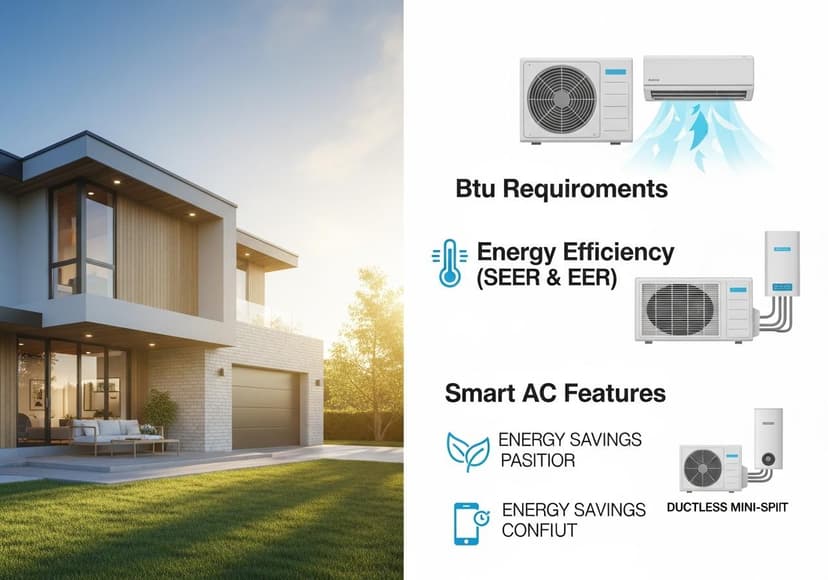
Ac Buying Tips To Choose The Right Unit
Consider size, energy efficiency, and features for optimal cooling and cost savings when purchasing.
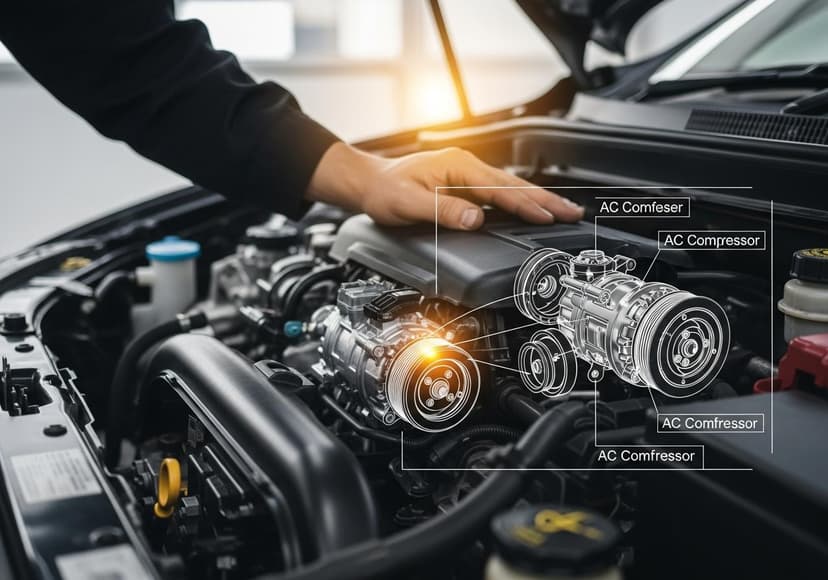
Ac Compressor Issues Guide And Troubleshooting Tips
Common problems include clutch failure, refrigerant leaks, and internal damage, requiring diagnosis and repair.
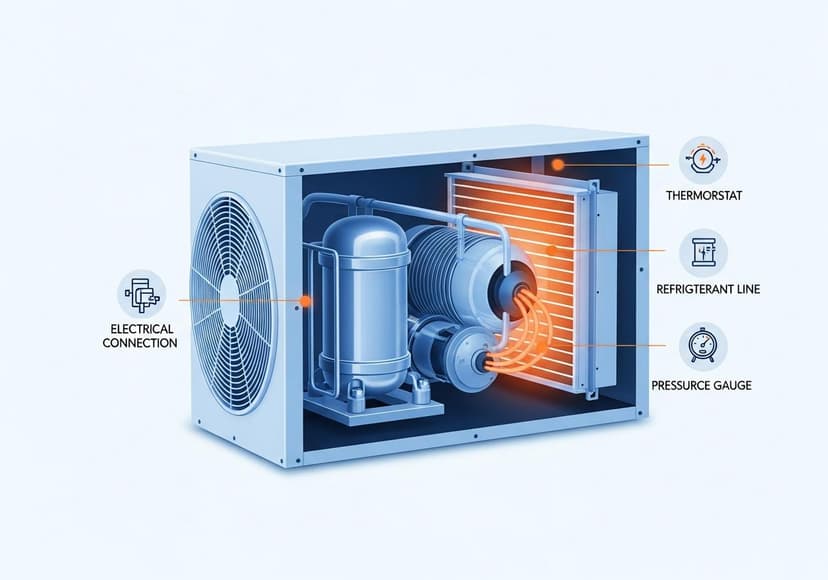
Ac Cycling Problem Causes And Fixes
Frequent starts and stops, freezing coils, and poor cooling may indicate refrigerant leaks or airflow issues.