
How To Identify Early Signs Of Termite Damage
Regular inspections help detect termite damage early, safeguarding your property through timely intervention.
The Importance of Termite Inspection
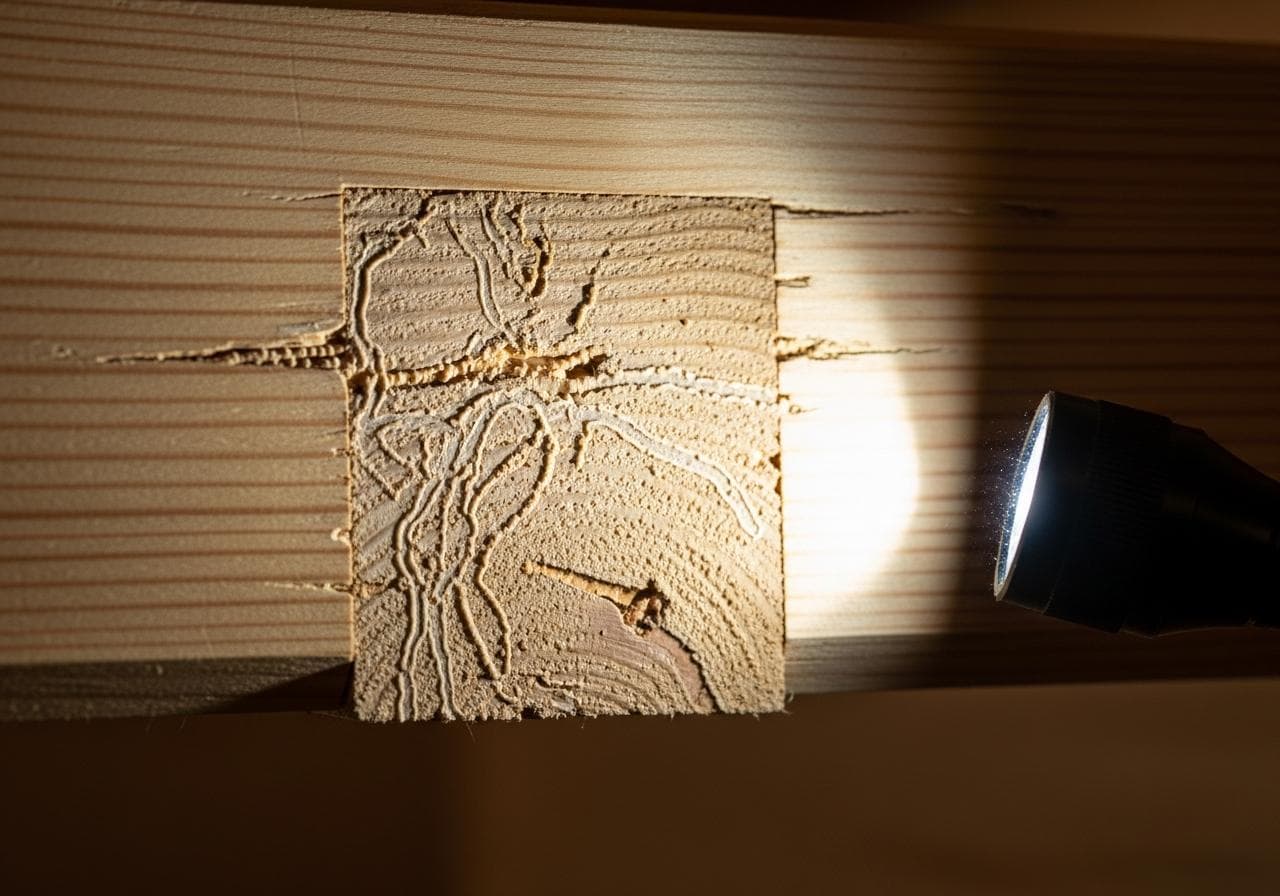
When it comes to protecting your home from the dangers of termite damage, the first step is always a thorough Termite Inspection. These tiny wood-eating pests can cause significant damage to your home if not detected early. A professional termite inspector knows how to spot early signs of termite infestation that are often overlooked by untrained eyes. Regular inspections can save you thousands in Termite Treatment costs later on. You can check out more about surveying your home for termites on this detailed guide.
Common Signs of Termite Damage
So, what should you be looking for? Signs of Termite Damage can be subtle at first but can escalate quickly if left untreated. The first sign is often the presence of mud tubes on the exterior of your foundation. These tubes are built by Subterranean Termites as they travel between their nest and food sources. If you see these tubes, it’s essential to act fast and call a reliable Termite Exterminator.
Another sign to keep your eyes peeled for is frass, or termite droppings. If you notice tiny wood-colored pellets near wooden structures, it’s a telltale sign of a serious Termite Infestation. Drywood Termites, for instance, often leave these droppings behind as they eat through your wooden structures.
Unusual Sounds and Tactile Alerts
One of the unique signs of termite activity is the sound. Listen closely near wooden structures; you might hear a clicking sound caused by soldiers chewing wood and knocking their heads against the walls to signal danger. This is a good indicator that a Termite Infestation is occurring. Additionally, if you tap on wood and it sounds hollow, it’s time to get an expert to confirm if you need Termite Control measures.
My Home, My Fortress – Keep It Strong
There are numerous ways to protect your home from unwanted guests. Termite Prevention is always cheaper than dealing with an infestation. You should ensure that wood structures aren’t in direct contact with soil and properly ventilate crawl spaces to reduce moisture buildup, as this can attract termites. Explore more about creating a sealed crawlspace to mitigate risks here.
Another form of prevention is through a Termite Bond, which helps to protect your home against future infestations. Your pest control service can provide more information on whether this is essential for your situation.
Choosing the Right Termite Treatment
Once you've identified potential termite damage, the next step is seeking professional Termite Treatment. The best approach often depends on the type of termites infesting your property. Subterranean Termites usually require soil treatment methods, while Drywood Termites might need fumigation. Each type of treatment comes with its own cost implications, which can vary based on the extent of the damage and the type of treatment required.
The Hidden Costs of a Termite Infestation
The Termite Cost could range from a couple of hundred dollars for minor treatments to thousands for severe infestations. That’s why it's essential to remain vigilant. Once you spot the signs and get a professional to inspect and treat your home, you can save a lot in the long run.
It’s crucial to act promptly once you suspect termite activity. Delaying treatment can lead to higher repair costs and structural damage that can make your home unsafe.
Final Thoughts on Termite Identification
Early Termite Identification is key to keeping your home safe and secure. Don’t wait until it’s too late; perform regular inspections and stay informed about signs of potential termite damage. When in doubt, consult with a reliable Termite Exterminator for tailored solutions that will keep your fortress standing strong.
By combining vigilant inspection, proper treatment, and preventive measures, you can protect your home from these destructive pests effectively.
Related Posts
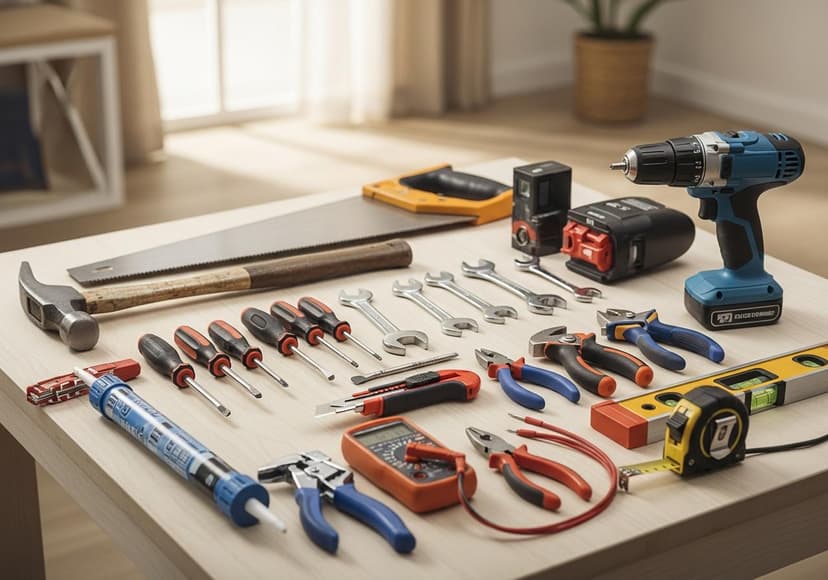
10 Essential Tools For Home Maintenance
Maintain your home effectively with these crucial tools, ensuring repairs and upkeep are simpler to handle.

Accessible Living Solutions For Comfortable Homes
Home modifications and assistive technologies ensure safety, independence, and comfort for individuals with mobility challenges.
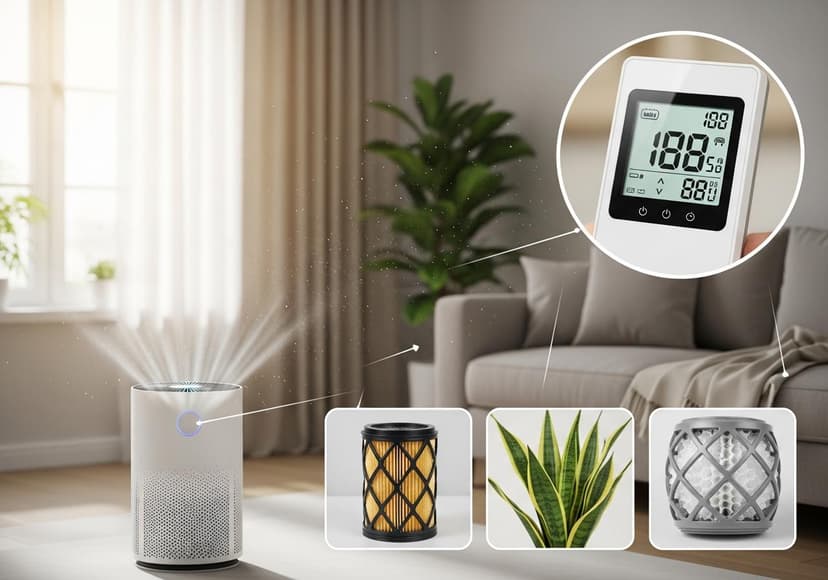
Air Quality Improvement Tips For Cleaner Indoor Air
Improve indoor air by ventilating spaces, using air purifiers, and regularly cleaning to reduce pollutants and allergens.