
Accessible Living Solutions For Comfortable Homes
Home modifications and assistive technologies ensure safety, independence, and comfort for individuals with mobility challenges.
The Importance of Universal Design for Homes
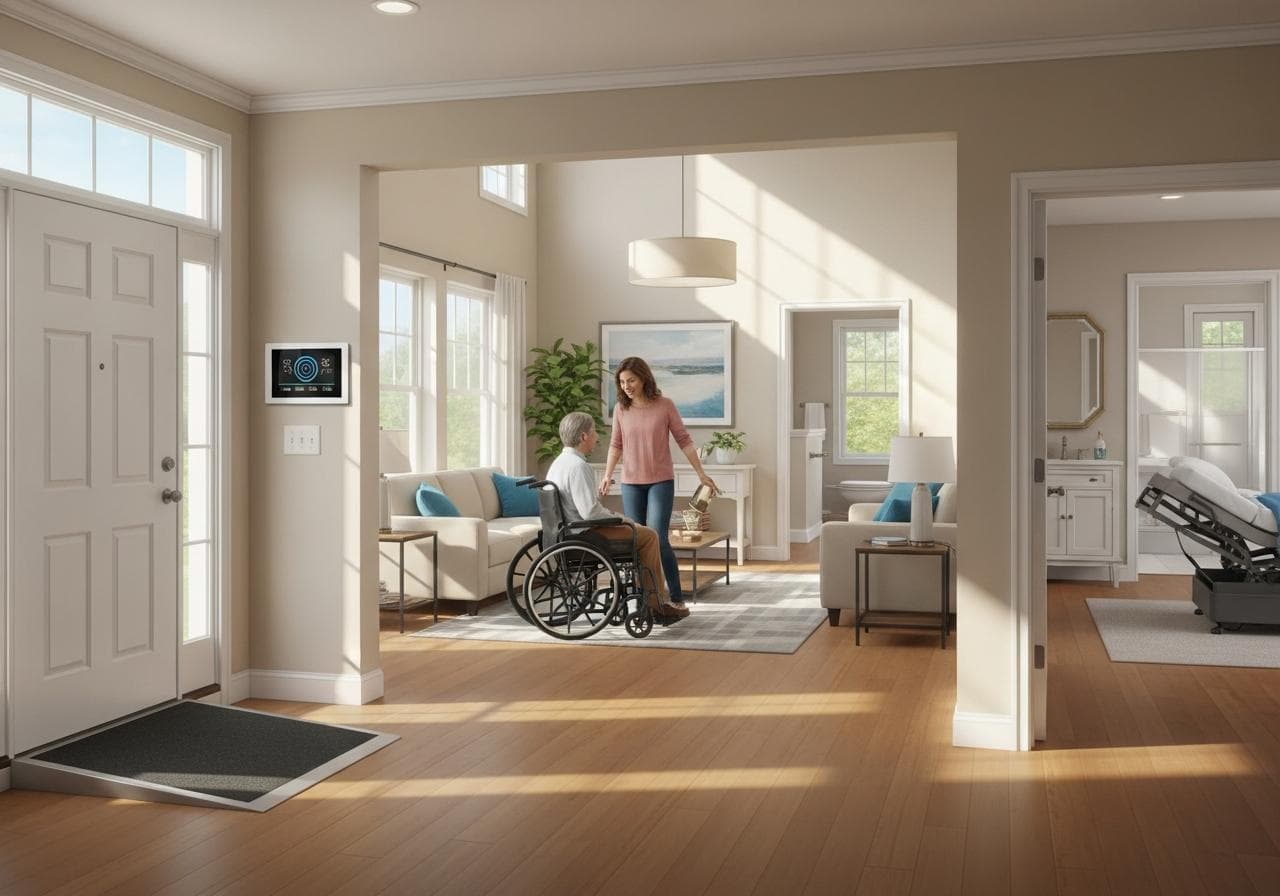
Universal Design for Homes isn’t just a trendy buzzword; it’s a thoughtful approach to creating spaces that cater to everyone, regardless of age or ability. By integrating accessible designs, we can ensure that homes are comfortable for individuals of all abilities. This is especially crucial for those who may require mobility aids, such as wheelchairs or walkers. In this blog, we’ll explore several practical home modifications that can turn any space into an accessible haven.
Wheelchair Accessible Homes
One of the fundamental aspects of Universal Design is creating wheelchair accessible homes. This involves strategically planning pathways, hallways, and rooms to ensure easy navigation. Wider door frames, open spaces around furniture, and non-slip flooring can make a world of difference. By adhering to guidelines found in resources like Family Handyman, homeowners can set the stage for a more inclusive environment.
Home Elevators: Elevating Accessibility
For multi-story homes, installing a home elevator can be a game changer for accessibility. This solution not only aids those who use wheelchairs but can also be invaluable for parents carrying children or individuals with mobility issues. Home elevators blend seamlessly into the modern fabric of homes, providing a stylish solution to the perennial challenge of navigating stairs.
Stair Lifts: A Convenient Alternative
If an elevator isn’t an option, consider stair lifts. These devices provide a safe and effective way for individuals with mobility challenges to access different levels of their homes. With their user-friendly design, stair lifts enhance independence and keep loved ones safe without compromising the home’s aesthetic.
Accessible Bathroom Design
The bathroom is a space where accessibility is paramount. Features such as roll-in showers and walk-in tubs make bathing safer and more comfortable. Roll-in showers can be tailored for easy access while still offering a spa-like experience. Walk-in tubs not only serve safety needs but also offer the luxury of a soothing soak without the hassle of climbing over high edges.
Walk-in Tubs and Roll-in Showers
Convert your standard tub into a walk-in tub to eliminate the fear of slipping. These tubs are designed with doors that open, allowing users to step in and out safely. Similarly, roll-in showers are great for those who prefer to shower sitting down. With seating and grab bars, these designs make bathing not just a necessity, but a rejuvenating experience.
Adjustable Beds for Personalized Comfort
Choosing an adjustable bed can make a huge difference for individuals with health issues, providing the ability to customize sleeping positions. This can help alleviate discomfort, aid in breathing, and support various health conditions. An added benefit is making it easier to get in and out of bed, an important factor for those with mobility concerns.
Smart Home Automation: Technology Meets Accessibility
Incorporating smart home technology can greatly improve the livability of a space. Smart home automation systems allow you to control lights, doors, and even appliances through voice commands or smartphone apps. This can greatly assist those with mobility issues. Imagine being able to turn off the lights or set the thermostat without needing to move. It’s about making life simpler and more enjoyable.
Accessible Kitchen Design
The kitchen is often the heart of the home and should be designed for accessibility. This may mean lowering counters, installing pull-out shelves, and incorporating accessible appliances. A well-designed kitchen makes cooking a pleasure rather than a chore, even if mobility becomes a concern.
Ramps for Homes: A Safe Entryway
Ramps are another essential element of Universal Design, ensuring safe access to and from homes. They can be an exterior feature for homes with steps or a transitory solution between rooms. Installing a slope that adheres to building codes not only fulfills an aesthetic role but, more importantly, guarantees safety for all who use them.
Home Modifications for the Elderly
As individuals age, their homes should be modified to support their changing needs. Simple adjustments like grab bars in key areas, non-slip surfaces, and rearranging furniture can make significant differences. The objective is to provide a nurturing environment that allows seniors to remain independent as long as possible.
Concluding Thoughts
Incorporating Universal Design principles not only improves accessibility but also enhances the overall value and comfort of your home. Discussing potential modifications with experts can yield innovative solutions suited to your lifestyle. For further insights, don't hesitate to check out Remodelista or learn about design from innovators like Leah Karmaker at Fine Homebuilding. It’s never too early or too late to create a living space that prioritizes comfort and accessibility for everyone. Start your journey towards an accessible home today!
Related Posts
10 Essential Tools For Home Maintenance
Maintain your home effectively with these crucial tools, ensuring repairs and upkeep are simpler to handle.
Air Quality Improvement Tips For Cleaner Indoor Air
Improve indoor air by ventilating spaces, using air purifiers, and regularly cleaning to reduce pollutants and allergens.
Appliance Cleaning Services Guide For Efficient Maintenance
Maintain appliances with expert cleaning. Ensure longevity, efficiency, and optimal performance with these essential services.