
How To Estimate Your Remodeling Budget
Planning a remodel budget requires careful considerations. It involves setting realistic financial goals and tracking expenses.
Understanding Your Remodeling Project
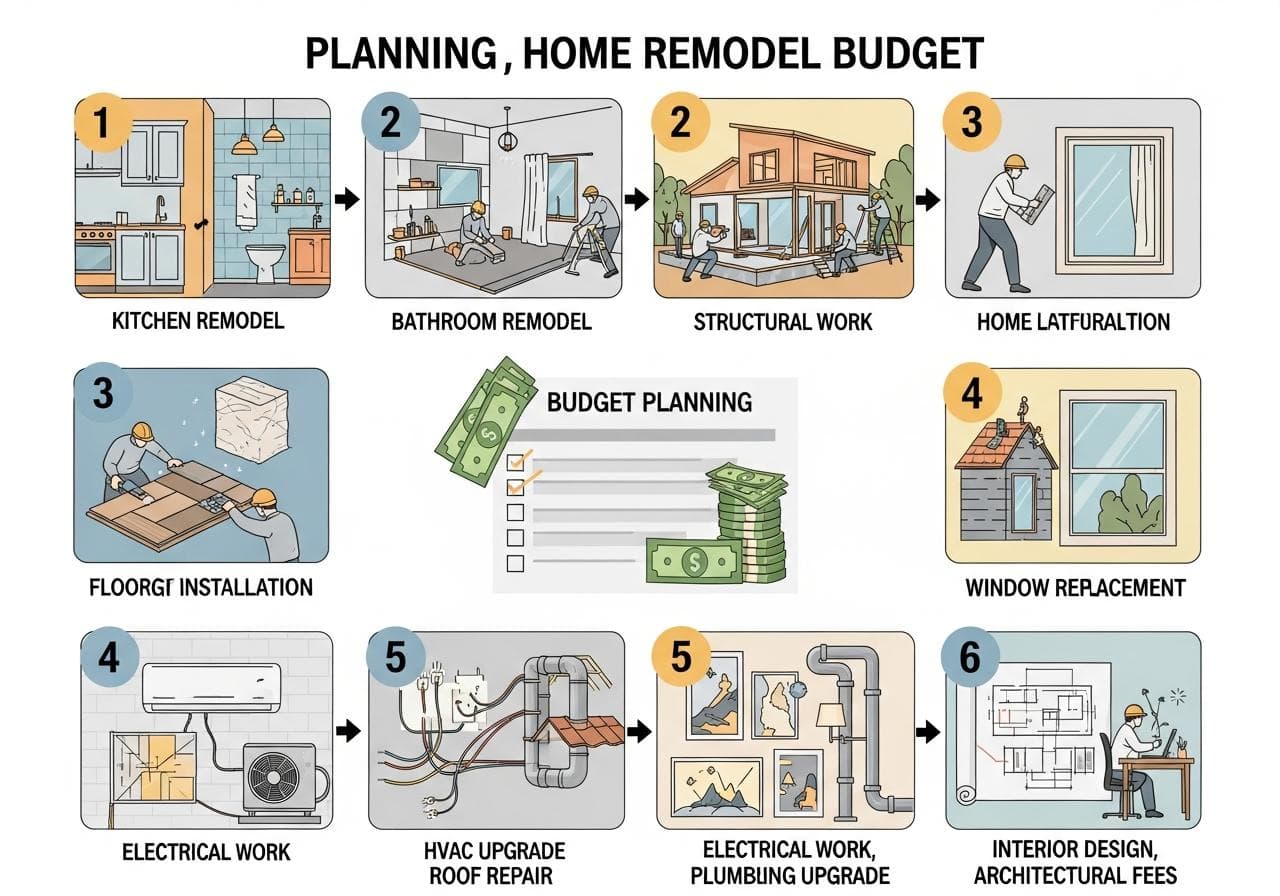
Remodeling your home can be both exciting and daunting, especially when it comes to estimating your budget. Whether you're planning a kitchen remodel, a bathroom remodel, or a complete home addition, knowing how to budget will make the process smoother. The first step is understanding the scope of your project. Consider if you'll need to incorporate structural work, install new flooring, replace windows, or upgrade your HVAC system. Each element contributes to your total budget and influences how much you should be preparing to spend.
Breaking Down Costs
To effectively estimate your remodeling budget, break down the costs into categories. Basic categories typically include materials, labor, and additional project costs. For instance, if you’re focusing on a kitchen remodel, consider the costs associated with cabinets, countertops, and lighting. Additionally, any electrical work or plumbing upgrades necessary should be factored in. A detailed look at each component helps clarify what adjustments can be made if your budget starts to tighten.
The Importance of Professional Help
Sometimes it pays to hire professionals for your remodeling project, especially when it comes to complex areas such as structural work, HVAC upgrades, or obtaining the right architectural fees. These professionals can provide insights and estimates that align with local codes and regulations. They may also help you streamline your budget by suggesting cost-effective alternatives or incorporating energy-efficient solutions. Reaching out for advice is a smart move and can save you a lot of hassle down the line.
Research and Plan Your Choices
No remodeling budget is complete without some thorough research. Start by gathering quotes for each type of work needed and exploring brands for materials, fixtures, and appliances. Online resources like Family Handyman can provide tips on saving money during your kitchen remodel. Dive deep into various options and prepare to make choices that fit your budget. Planning can significantly reduce unexpected expenses that often plague renovation projects.
Unforeseen Costs
It's essential to remember that unexpected costs can creep up like sneaky ninjas. No matter how carefully you plan your bathroom remodel or home addition, problems may arise, like needing a roofing repair once you start tearing down walls. To counter this, include a contingency fund of around 10-20% of your total budget. This cushion can save you from stress and help ensure your project stays on track without devastating financial surprises.
Labor Costs and How to Navigate Them
Labor can take a big bite out of your remodeling budget, making it crucial to approach this aspect wisely. Costs for flooring installation, electrical work, and plumbing can add up quickly. Research local rates and get multiple quotes for contractors before making a decision. Don’t forget: while you might be tempted by the cheapest option, quality should remain at the forefront of your priorities. A solid investment in skill can save you money in repairs down the line.
Prioritize Your Needs Over Wants
Creating a wishlist is a fun part of planning your remodel, but it’s important to prioritize your needs. If you’re considering a bathroom remodel, think about essential upgrades like functional plumbing and adequate electrical work first. Luxurious tiles or fancy fixtures are nice-to-haves, but they shouldn’t overshadow critical improvements that can enhance your home’s safety and value. Remember, each choice affects your bottom line, so balance indulgence with pragmatism.
The Role of Interior Design
Once the big decisions are made, it’s time to focus on aesthetics. Hiring an interior designer can elevate your space but comes with its own cost. Architectural fees and design services can vary widely, so allow room in your budget for creative expertise if you decide to go in that direction. They can help you visualize the remodeling process, ensuring that every inch serves a purpose—sometimes simply rearranging can maximize functionality without breaking the bank.
Consider Financial Options
Budgeting isn’t only about estimating costs; it's also about financing your project. Options like home equity loans, personal loans, or even borrowing from retirement can help you get started. Just make sure to weigh the risks and benefits of each option, as going into debt for a remodel can have long-lasting implications. Setting clear repayment plans and sticking to realistic expectations will help ease the financial strain during and after your remodeling project.
Final Thoughts
Estimating your remodeling budget may feel overwhelming, but with careful planning and research, you can create a budget that works for you. Don’t forget to check out invaluable resources like Fine Homebuilding and Remodelista for budget-saving tips. By prioritizing needs, managing unforeseen costs, and seeking professional assistance where needed, you’re not just estimating a budget; you're crafting a blueprint for a successful remodeling venture!
Related Posts
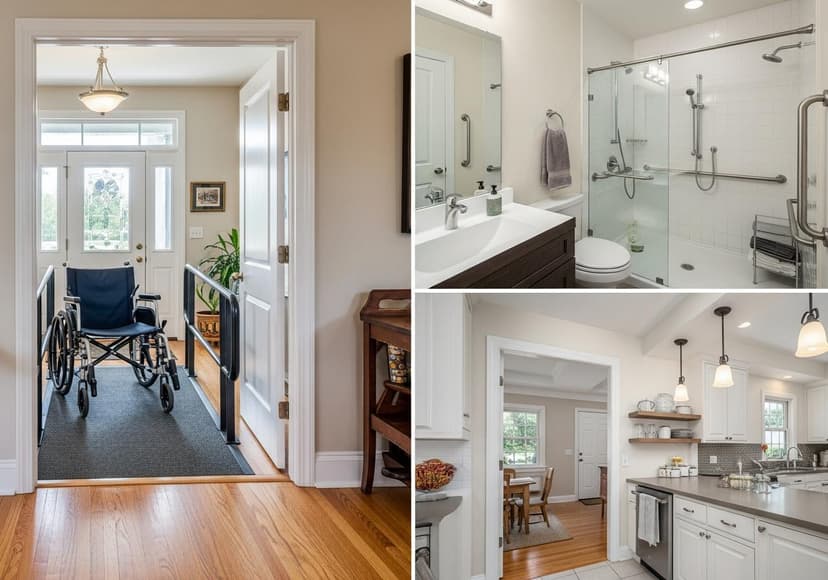
Accessible Home Remodel Tips For A Barrier Free Living
Modify your home for better mobility. Prioritize safety, independence, and comfort to enhance your living space.

Asset Management Software For Construction Projects
Optimize construction asset lifecycles, track equipment, reduce downtime, and improve project efficiency.
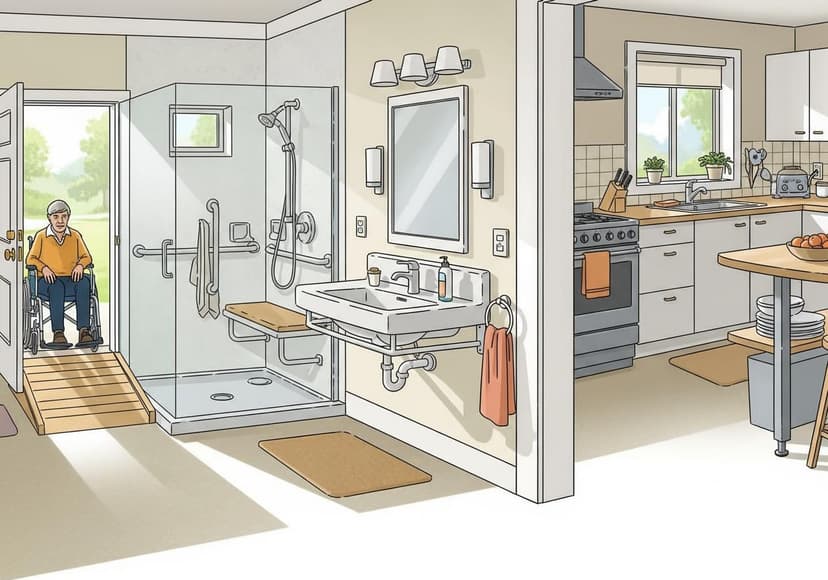
Barrier Free Home Ideas For Safety And Accessibility
Design a home for everyone with inclusive design, maximizing safety, independence, and overall accessibility features.