
Accessible Home Remodel Tips For A Barrier Free Living
Modify your home for better mobility. Prioritize safety, independence, and comfort to enhance your living space.
Understanding Barrier-Free Living
In our ever-evolving world, it’s essential that our homes adapt to our needs, especially when it comes to accessibility. Barrier-free living is about creating spaces that are welcoming and usable for everyone, including those with disabilities. Whether you're renovating an existing home or designing a new one, incorporating Smart Home Technology is a great way to enhance the accessibility of your space. In this blog post, we'll explore vital tips for making your home more accessible.
Wheelchair Ramps: A Slope of Convenience
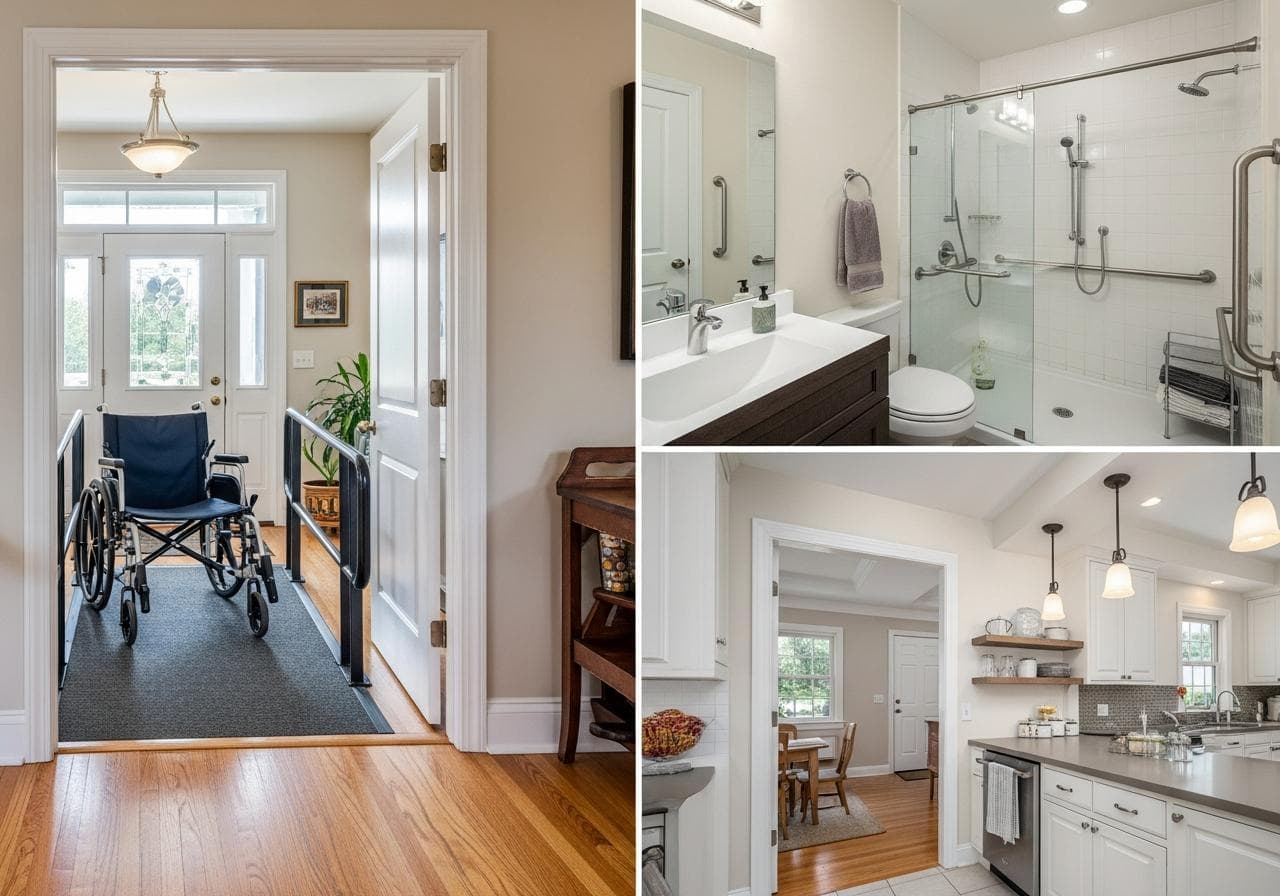
One of the first adjustments you might consider is installing wheelchair ramps. These create a smooth transition, enabling easier access to your home. Whether you opt for a permanent ramp or a portable option, ensure it's built with non-slip materials and appropriate slope specifications. Adding wheelchair ramps can greatly increase the convenience of your living space for wheelchair users.
Stair Lifts: Ascending with Ease
For multi-level homes, stair lifts can serve as a transformative addition. They provide a safe and efficient way for those with mobility challenges to access upper floors. With various models available, choosing a stairlift that fits your stairs and décor is necessary. Combine it with smart home technology for remote control operation, ensuring accessibility at your fingertips.
Creating Accessible Bathrooms
Accessible bathrooms are critical in promoting safety and independence. Consider installing roll-in showers, which provide a seamless entry point for those using mobility devices. Complement these with walk-in tubs for a safe and enjoyable bathing experience. Make sure to incorporate grab bars and non-slip surfaces to enhance safety.
Kitchen Modifications: Cooking with Comfort
The kitchen is the heart of the home, so making it accessible should be a priority. Simple kitchen modifications, like lowering countertops or installing adjustable height cabinets, can make a world of difference for individuals with mobility impairments. Consider also incorporating pull-out shelves and easy-to-reach drawers to optimize usability while cooking.
Widening Doorways for Easy Passage
Doorway widening can significantly improve the accessibility of your home. Standard door widths often don’t accommodate wheelchairs or walkers, so adjusting the size can make navigation easier. Additionally, you can install automatic door openers that allow for touch-free access, adding a level of convenience for everyone.
Elevate Your Space with Home Elevators
If stairs are a challenge, home elevators can be an elegant solution to help people access all levels of their homes. While the cost can be higher, the benefits of a home elevator provide a long-lasting solution for accessible living. Integrating this feature with smart home technology allows for easy control and operational adjustments.
Embracing Smart Home Technology
Incorporating smart home technology offers an incredible leap towards barrier-free living. From smart lighting systems that can be controlled via voice commands to automated blinds, the possibilities are endless. These technologies can help you control various aspects of your home without physical strain or effort. For example, using your smartphone, you can easily manage lights, thermostats, and locks—making daily life more streamlined and accessible.
Additional Resources for Accessible Remodeling
For those looking to dive deeper into accessible design, several resources can provide further guidance. Websites like Remodelista offer insights into creating accessible spaces that maintain aesthetic appeal. You can also check out Fine Homebuilding's article on remodeling for accessibility for some practical tips and ideas.
Conclusion: Building a Welcoming Environment
Creating a barrier-free home is not just about addressing physical limitations—it's about fostering an environment of inclusivity and accessibility. Whether you’re making minor adjustments or overhauling your space, there are countless options to consider, especially with the integration of smart home technology. By using these tips, you can ensure that your home is safe, efficient, and welcoming for all.
Related Posts

Asset Management Software For Construction Projects
Optimize construction asset lifecycles, track equipment, reduce downtime, and improve project efficiency.
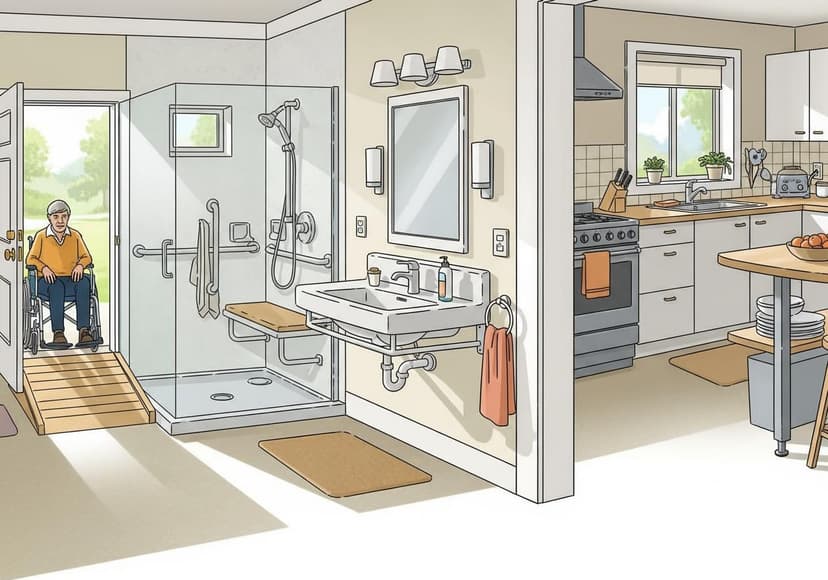
Barrier Free Home Ideas For Safety And Accessibility
Design a home for everyone with inclusive design, maximizing safety, independence, and overall accessibility features.
Best Apps And Tools To Plan Your Remodel
Remodeling apps simplify projects with designs, cost estimates, and contractor connections for a successful home renovation.