
Checking For Signs Of Roof Rot Or Damage
Regular roof inspections are crucial to detect rot or damage, ensuring structural integrity and preventing costly repairs.
Your roof is your home’s first line of defense against the elements, and ensuring it's in good shape is crucial. Regular maintenance can reveal crucial signs of roof damage before they turn into major issues. Whether you've witnessed severe weather or just want to make sure your roof is holding up, knowing how to spot potential damage can save you headaches and costs down the line. This blog will guide you through checking for roof rot and damage, covering everything from a simple roof damage inspection to understanding the implications of roof repair costs.
Understanding Common Signs of Roof Damage
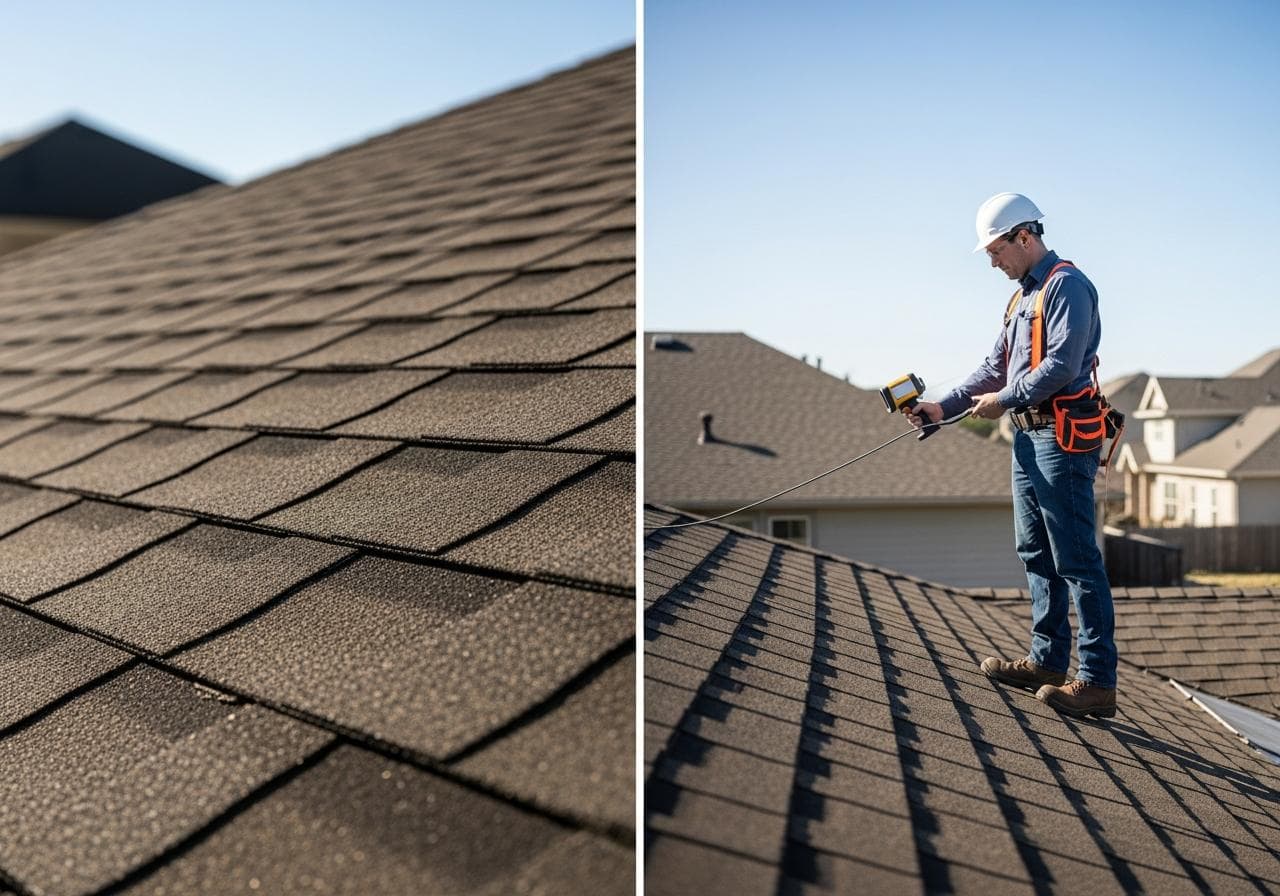
When performing a residential roof inspection, start by looking for visible signs that might indicate deeper issues. Key signs of trouble include missing shingles, warped or buckling shingles, and any noticeable sagging areas that could lead to leaks. Make sure to also check for any granules in your gutters—this could mean your asphalt shingles are deteriorating. If you notice any dark stains or water spots on ceilings and walls, it could indicate a roof leak repair might be on the horizon.
Look for Wood Rot and Structural Damage
Prolonged exposure to moisture can lead to wood rot roof problems that compromise the integrity of your roofing structure. If you find soft spots or a spongy feel to the roof decking, it may indicate that rot has taken hold. Pay attention to the area around valleys and chimneys, as these are common spots for rot to develop. Make sure to thoroughly check your attic as well, since hidden damage can often be unveiled in this space.
The Impact of Severe Weather
Extreme weather, including heavy rainfall and hail storms, can wreak havoc on your roof. A hail damage roof can often be recognized by indentations in shingles, missing granules, or even broken shingles. Storms can also displace shingles, leading to possible leaks. If you've had a recent storm in your area, a thorough inspection is needed. Not only can this help determine roof replacement cost or roof repair costs, but it can also give peace of mind knowing that your roof is secure.
Conducting a Thorough Inspection
To carry out a proper roof damage inspection, consider doing a walk-around of your home. Look for signs of storm damage, such as fallen branches or debris on the roof. Even slight shifts in your roofing materials can be a red flag. If you're not comfortable scaling a ladder, hiring a professional for a residential roof inspection might be the best option. This way, you can avoid the risks of climbing and receive an expert assessment on the state of your roof.
Considering the Costs of Repairs and Replacement
The cost of ignoring signs of damage could make a minor repair evolve into a major expense. Generally, roof repair costs will be significantly less than a full replacement, so addressing concerns early is wise. Depending on the damage, you might only need an asphalt shingle repair rather than a complete overhaul. If you find your roof needing a thorough replacement, ensure you have the latest quotes to understand the full roof replacement cost.
Detecting Hail Damage and Storm Effects
As mentioned, after storms or hail, inspect your roof for visible effects. Even if you don't see any significant damage, judgment can be tricky. You might need to look closely for signs that are less apparent. For instance, hail might induce micro-tears that could lead to leaks over time. Knowing your roof's performance post-storm is essential, as these frequent checks can help you stave off larger maintenance issues that might require costly interventions.
How To Repair and When to Call Professionals
Depending on your roof's condition, some issues can easily be handled by a DIY enthusiast, but others may require professional help. For minor fixes, learn how you can perform asphalt shingle repair on your roof. However, if you notice extensive damage or wood rot, calling a skilled contractor for a consultation and necessary repairs is advisable. Getting timely repairs can prevent costs from accumulating, which is vital to maintaining and preserving your home’s integrity.
Conclusion: Vigilance is Key
Preventative maintenance and timely inspections can save you significant headaches in the long run. It’s important to remain vigilant and proactive when it comes to checking for signs of roof damage. A few inspections add up to financial savings and help maintain the safety and aesthetics of your home. Stay informed on how changing weather patterns could affect your roof, and never hesitate to seek help when needed. With the right knowledge and timely actions, you can protect your home and ensure it remains a safe haven.
Related Posts
10 Essential Tools For Home Maintenance
Maintain your home effectively with these crucial tools, ensuring repairs and upkeep are simpler to handle.

Accessible Living Solutions For Comfortable Homes
Home modifications and assistive technologies ensure safety, independence, and comfort for individuals with mobility challenges.

Air Quality Improvement Tips For Cleaner Indoor Air
Improve indoor air by ventilating spaces, using air purifiers, and regularly cleaning to reduce pollutants and allergens.