
Checking For Gas Leaks In Your Home
Detecting gas leaks promptly is crucial. Regular inspections and understanding the signs ensure safety for everyone at home.
Understanding Gas Leaks
Gas leaks can pose significant risks to your home's safety. They often originate from natural gas or propane systems. A Natural Gas Leak generally involves the release of methane, while a Propane Leak releases a heavier gas that can accumulate in low areas. Either type of leak is dangerous and requires immediate attention. Thus, understanding gas leak detection is vital for maintaining a safe living environment.
Signs of a Gas Leak
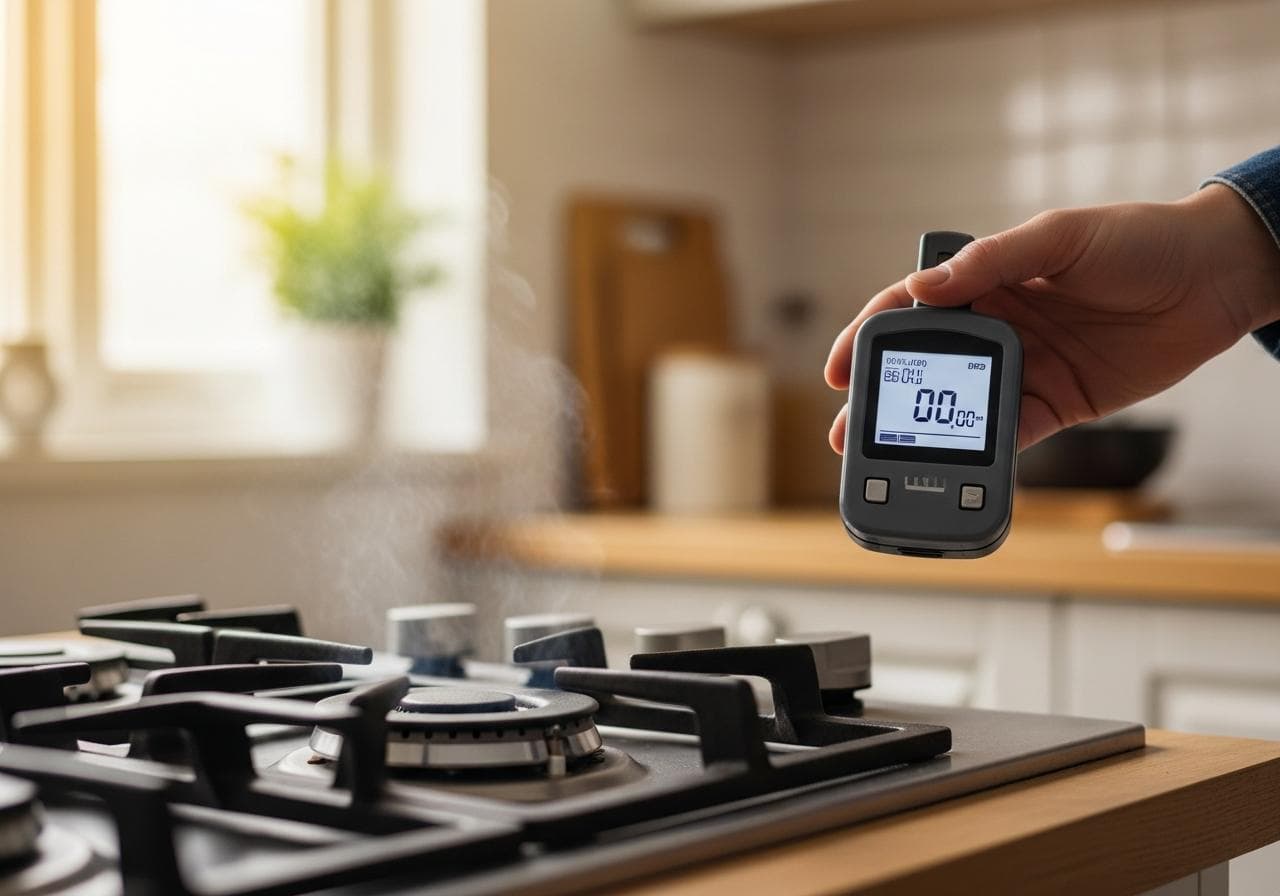
The first step in ensuring home safety is knowing the common signs of a gas leak. Look for an unusual odor, as most utility companies add a distinct smell (similar to rotten eggs) to make leaks detectable. You may also notice hissing sounds near gas lines or a sudden increase in your gas bill. If you suspect a leak, don't hesitate to deploy a Gas Detector. These handy devices monitor gas levels in your home and alert you to any anomalies.
Importance of Carbon Monoxide Detectors
While Gas Detectors are essential, it's also wise to invest in a Carbon Monoxide Detector. This device is especially crucial if you use gas appliances or heating systems that could potentially emit carbon monoxide—a colorless and odorless gas. In fact, having both detectors can significantly enhance your home safety by addressing leaks from both natural gas and potential combustion problems.
Performing a Safety Inspection
Conducting a thorough Safety Inspection is paramount in identifying leak sources. Begin by visually inspecting your gas lines, connections, and appliances for any signs of wear and tear or corrosion. Check for loose fittings, damaged hoses, and ensure all appliances are functioning correctly. If you need assistance, don't hesitate to call your local utility company. They can provide professional inspection services and make necessary repairs.
Identifying the Source of the Leak
After a visual inspection, you may need to employ different methods to pinpoint a leak. A mixture of soap and water can be applied to gas connections; bubbling will indicate a leak. Ensure you turn off any gas appliances before starting this test. Alternatively, professionals may use specialized equipment to detect where the leak is coming from, especially in hard-to-reach areas of plumbing and HVAC systems.
Emergency Services and Immediate Actions
If you suspect a gas leak, prioritize safety. Evacuate your home and avoid any actions that could ignite gas, such as turning on lights or cell phones. Call emergency services and your gas provider from a safe distance. In most cases, they will arrive quickly to assist and confirm if a leak exists. Gas leaks should never be taken lightly—swift actions can save lives and prevent property damage.
Gas Leak Repair: Professional Help is Required
Once a leak is confirmed, it’s essential to engage in Gas Leak Repair with the help of a qualified technician. Leave it to the pros; they have the expertise to repair any issues safely and effectively. Attempting to fix gas lines without proper knowledge can lead to further risks and complications. If you notice any appliances are not functioning as they should after repairs, call your technician again to ensure everything is secure.
Conduct Regular Maintenance
To further ensure your safety, consider scheduling regular maintenance for your gas appliances and HVAC system. Regular checks can give you peace of mind and help avoid sudden emergencies. As part of this maintenance, a safety inspection can help catch any small issues before they escalate into serious problems. Remember, it’s always better to be proactive than reactive when it comes to safety.
Investing in Gas Safety Components
Another advantage of safety inspections and regular maintenance is the opportunity to invest in high-quality equipment. Consider getting a Carbon Monoxide Detector and a Gas Detector if you haven’t yet. These devices can provide a first line of defense against potential risks. You can refer to resources like this roundup of safety devices for more information about what to buy.
Conclusion: Staying Safe in Your Home
Having a sound understanding of Gas Leak Detection and taking proactive steps toward home safety can make a significant difference in the safety of you and your loved ones. Whether you conduct a Safety Inspection yourself or hire professionals from your utility company, staying informed and prepared is crucial for preventing disastrous scenarios.
For more information on how to safely install and maintain gas appliances, check out this guide on gas stove installations. Remember, safety starts with awareness and preparedness!
Related Posts
10 Essential Tools For Home Maintenance
Maintain your home effectively with these crucial tools, ensuring repairs and upkeep are simpler to handle.

Accessible Living Solutions For Comfortable Homes
Home modifications and assistive technologies ensure safety, independence, and comfort for individuals with mobility challenges.
Air Quality Improvement Tips For Cleaner Indoor Air
Improve indoor air by ventilating spaces, using air purifiers, and regularly cleaning to reduce pollutants and allergens.