
Checking For Air Leaks Around Outlets
Identify and seal air leaks to enhance energy efficiency and improve indoor air quality for comfortable living.
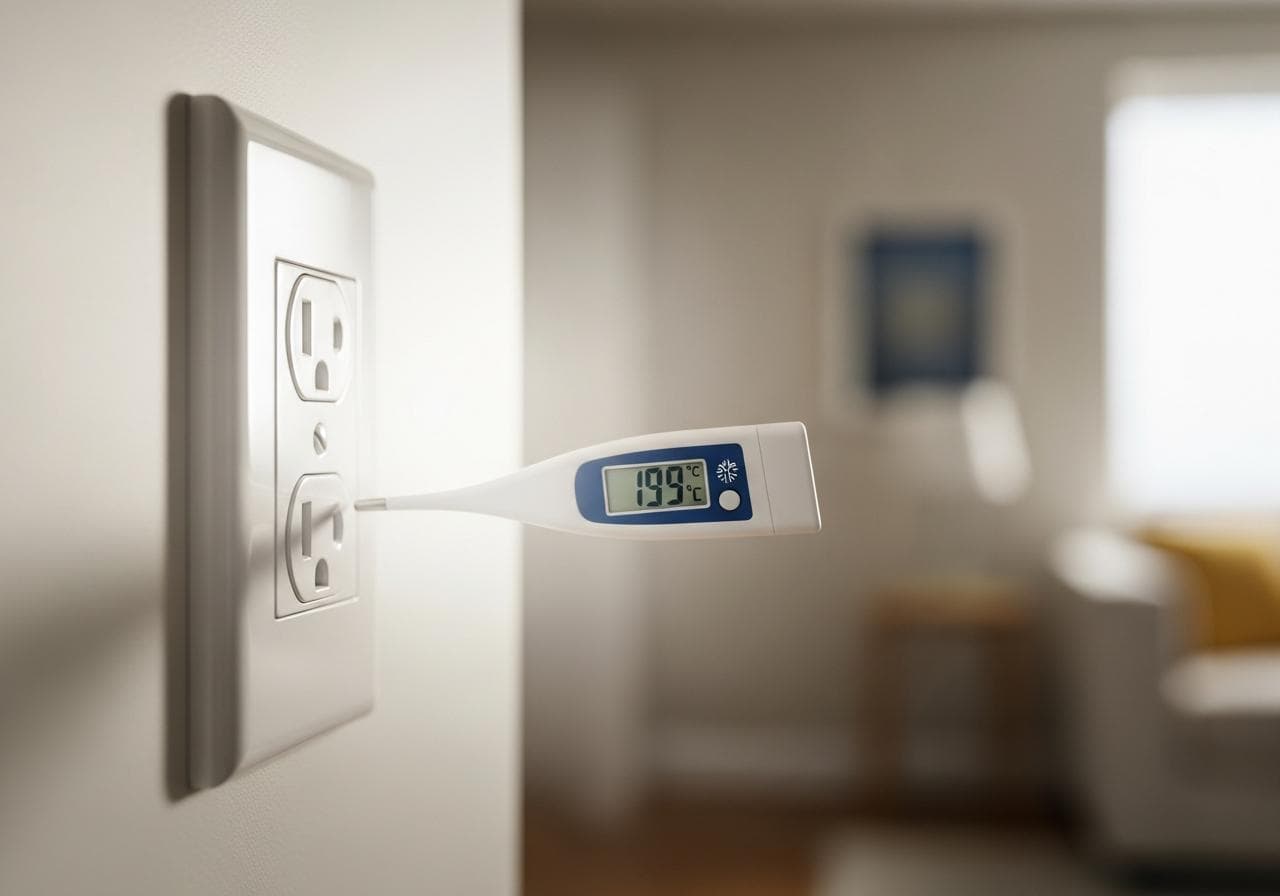
Are you feeling a little chilly in your home even when the thermostat is set just right? Does it seem like your HVAC system is always working overtime? If so, you might want to consider checking for air leaks around your outlets. Air leak detection is a crucial step in enhancing your home's energy efficiency and overall comfort.
Understanding Air Leaks
Air leaks are those pesky little gaps and cracks that allow heated or cooled air to escape from your home. They can be found around drafty windows, doors, and yes, even electrical outlets. These leaks can cost you money by increasing your heating and cooling bills, and they can make your living environment less comfortable. During a Home Energy Audit, specific areas like your outlets are usually examined to assess their efficiency.
Why Check Outlets Specifically?
You might be wondering why outlets are so important when it comes to air sealing your home. The reason is simple: outlets can function as a major point of air infiltration, leading to localized drafts. In an unsealed electrical outlet, even small gaps can allow significant amounts of conditioned air to escape. This is especially true in exterior walls where outlets may penetrate through insulation and weatherstripping—both critical in maintaining your home's energy efficiency.
Tools for the Job
To effectively find these air leaks, you may want to use a few tools. One effective method involves a blower door test, which can help you understand how much air is leaking from your home. This test works by pressurizing or depressurizing your home to pinpoint leaks. Another great option is utilizing an infrared camera to visualize temperature differences around your outlets, giving you a clear indication of where air may be leaking in.
Common Causes of Air Leaks around Outlets
The most common cause of air leaks around electrical outlets is poor insulation. Over time, insulation can degrade due to various factors, including humidity, pests, or simply wear and tear. Inadequate or missing weatherstripping can also contribute to the problem, allowing drafts to seep in. Lastly, construction errors such as gaps around electrical boxes may create ideal conditions for air leaks, compromising your home's energy efficiency.
Identifying the Leaks
You can check for air leaks around your outlets with just a few simple steps. Start by pressing your hand around the outlet to feel for airflow. If you notice a draft, you have an air leak. You can also use a candle or incense stick; if the smoke flickers or moves, air is flowing through the outlet. If you want a more precise method, consider hiring a professional to conduct the aforementioned blower door test.
Sealing the Leaks
After identifying the leaks, it’s time to perform some air sealing. This can be done using simple materials like caulking or foam sealant. For light-duty sealing, caulk works wonders; just apply it around the outlet box where it meets the wall. For larger gaps, you might opt for expanding foam sealant. Be sure to choose materials that are safe for electrical use, as you won't want to create any hazards in your home.
Additional Home Improvement Tips
While sealing your outlets is a great start, there are many other ways to improve your home’s energy efficiency. For instance, you can take measures to enhance your HVAC system, seal your windows, and insulate your walls. Check out this great resource for more ideas on insulation: 10 Ways to Insulate Your Home. Being proactive about home improvement will ultimately save you money in the long run, increase your property value, and make your home more comfortable.
Consider Professional Help
While DIY solutions can be highly effective, sometimes it’s best to call in the pros. Professional energy auditors have the tools and expertise to carry out thorough air leak detection. They can conduct a home energy audit that encompasses much more than just outlet checks, evaluating your entire home for inefficiencies. Plus, they can give you entirely personalized advice for your specific space.
Conclusion
Checking for air leaks around outlets is an essential step in ensuring your home is energy-efficient and comfortable. Whether you’re using a simple manual check or hiring professionals for a blower door test, paying attention to these details can lead to significant cost savings over time. Don’t forget that good insulation, proper weatherstripping, and careful air sealing are all part of an effective home improvement strategy. Start tackling those air leaks today and enjoy a cozier, more efficient home tomorrow!
With the right steps focused on air leak detection, you’ll make your living space a more enjoyable place. Happy home improving!
Related Posts
10 Essential Tools For Home Maintenance
Maintain your home effectively with these crucial tools, ensuring repairs and upkeep are simpler to handle.

Accessible Living Solutions For Comfortable Homes
Home modifications and assistive technologies ensure safety, independence, and comfort for individuals with mobility challenges.
Air Quality Improvement Tips For Cleaner Indoor Air
Improve indoor air by ventilating spaces, using air purifiers, and regularly cleaning to reduce pollutants and allergens.