
Checking Home Water Heater Safety
Regular inspections ensure safety. Check temperature, pressure relief valve, and look for leaks to maintain your water heater.
Understanding Water Heater Types
Water heaters are essential appliances in our homes, providing hot water for showers, dishes, and laundry. The most common types are Electric Water Heaters, Gas Water Heaters, and Tankless Water Heaters. Each type has its own benefits and drawbacks, impacting factors like Water Heater Cost and Water Heater Lifespan.
When managing Water Heater Maintenance, it's crucial to understand the specifics of your unit. For instance, gas water heaters may require different safety checks compared to electric water heaters, particularly concerning gas lines and exhaust systems.
Signs You Need a Water Heater Inspection
Regular Water Heater Inspection can save you from unexpected issues later down the line. If you notice Water Heater Leaking or your water isn't heating as it should, it's time to inspect the unit. Keep an eye out for other indicators as well, like unusual noises or water discoloration.
Another red flag can be changes in water pressure or temperature inconsistency. Not addressing these problems promptly might lead to more significant challenges, possibly requiring Water Heater Repair or even Water Heater Replacement.
Common Water Heater Problems
Every appliance has its quirks, and water heaters are no exception. If you experience any Water Heater Problems, it's important to identify them quickly. Common problems include leaking tanks, inconsistent water temperatures, and failure to produce hot water.
Water Heater Leaking is particularly troublesome since leaks can lead to extensive water damage in your home. Regular checks and maintenance can help you catch these problems early, but if you notice a leak, it's smart to consult a professional right away. You can learn some DIY fixes through this guide.
Conducting a Water Heater Inspection
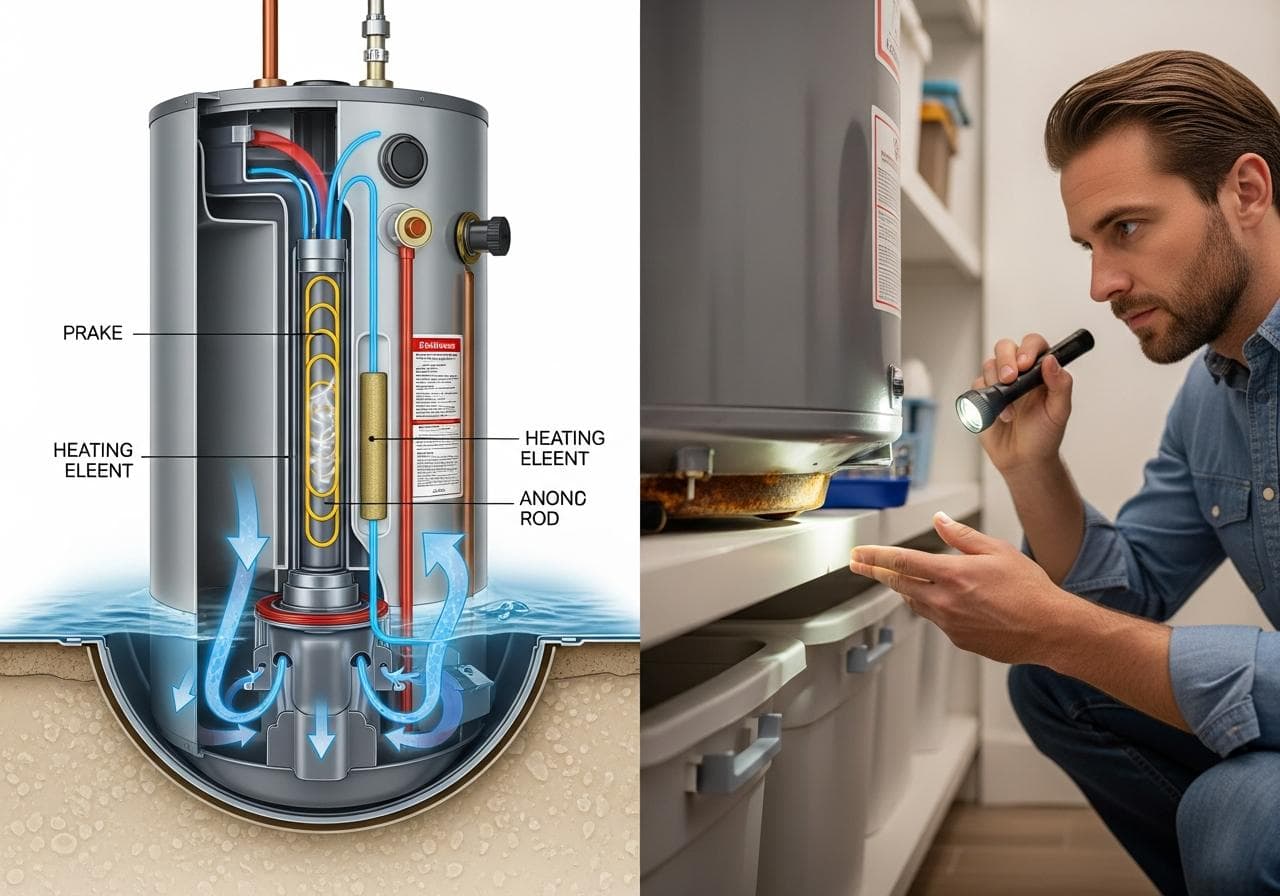
Regular inspections ensure your unit runs smoothly and efficiently. Start by checking for any signs of rust, corrosion, or Water Heater Leaking around the base of the unit. Examine the temperature setting to confirm it’s within the recommended range (typically 120-140°F).
Don’t forget to inspect the anode rod; this part helps prevent corrosion within the tank. If it’s heavily corroded, it's time for a replacement. These are great practices during Water Heater Installation but should also be part of your yearly Water Heater Maintenance routine.
When to Call a Professional
Some issues require a professional touch. If you find significant leaks, or if your heater isn't heating water at all, those are signs to call someone who knows what they’re doing. Water heater concerns can escalate quickly and lead to costly repairs, so it’s wise to get expert help when needed.
Sometimes you may need drastic measures – like a new unit. If your current heater constantly has problems, it might be time for Water Heater Replacement. While it’s tempting to try and troubleshoot issues yourself, the safety risks involved with gas lines and electric components make it prudent to call in specialists, especially if you have a complicated system.
Water Heater Maintenance Tips
To extend your water heater’s lifespan, consistent maintenance and care are critical. This includes inspecting the unit regularly and flushing the tank annually to remove sediment build-up. Over time, sediment can decrease heating efficiency and lead to premature failure.
Regular Water Heater Maintenance helps avoid hefty repair bills and could even improve Water Heater Cost efficiency. Remember that frequent use of your water heater can lead to wear and tear, so be proactive with your inspections.
Replacement vs. Repair: What to Consider
When faced with significant Water Heater Problems, the decision between repair and replacement can be tricky. Factors influencing your choice include the age of the unit, the Water Heater Lifespan, and the cost of repairs.
A good rule of thumb is if the repairs are over 50% of the cost of a new heater, you should consider a replacement. Especially if your heater has been giving you consistent trouble, opting for a more reliable model could save you money in the long run.
Staying Compliant with Local Codes
Be aware of local plumbing codes and requirements for your water heater installation. Violations can result in fines and complicate insurance claims if problems occur. Reviewing what installations are allowed is a smart move, so check out this resource on code violations.
You can also consult with local experts and use reliable sources like this plumbing guide to ensure you follow the rules. Staying compliant keeps you safe and secures your investment.
In conclusion, ensuring your water heater runs effectively not only saves money but also prevents hazards. Regular checks, early intervention, and awareness of your system’s needs will go a long way in giving you peace of mind! Stay safe, stay warm, and keep that hot water flowing!
Related Posts
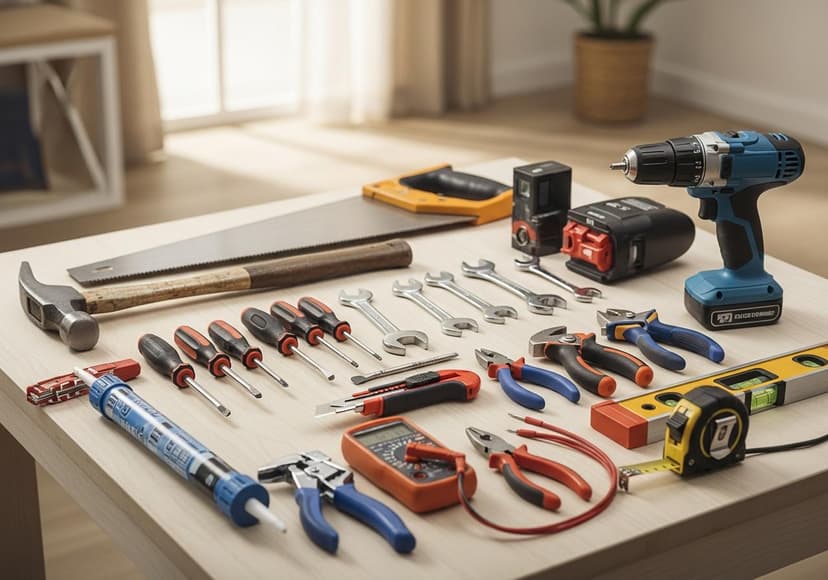
10 Essential Tools For Home Maintenance
Maintain your home effectively with these crucial tools, ensuring repairs and upkeep are simpler to handle.

Accessible Living Solutions For Comfortable Homes
Home modifications and assistive technologies ensure safety, independence, and comfort for individuals with mobility challenges.
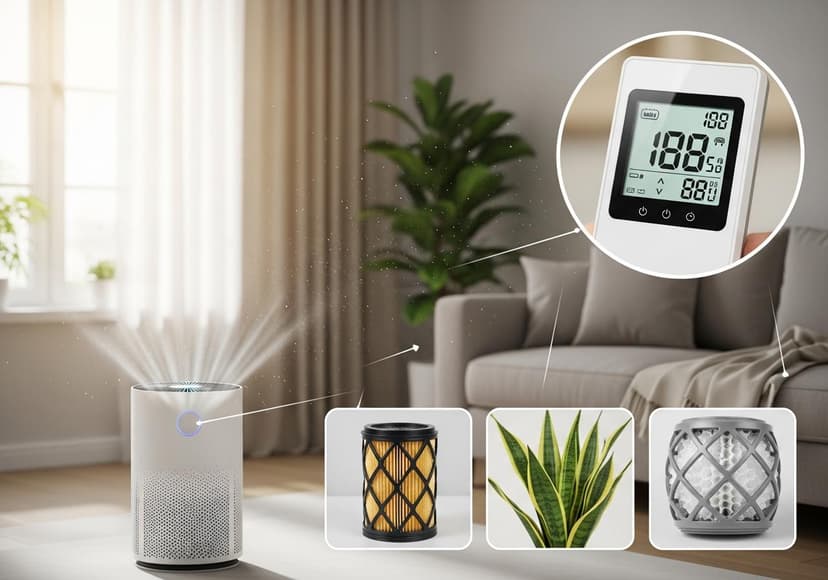
Air Quality Improvement Tips For Cleaner Indoor Air
Improve indoor air by ventilating spaces, using air purifiers, and regularly cleaning to reduce pollutants and allergens.