
Best Practices For Remodeling Historic Homes
Preserve historical integrity by respecting original design, using appropriate materials, and consulting preservation experts for guidance.
Understanding the Charm of Historic Homes
Remodeling historic homes is a labor of love! These places speak to us through their unique architectural details, reminding us of a time gone by. Before diving in, appreciate the history by learning about the original materials, styles, and features. Embrace these elements during your renovation to maintain the home's original charm while updating it for modern living.
Preparing for the Challenge
Before jumping into any renovations, it’s essential to conduct a thorough inspection. Engaging in a detailed assessment can help uncover issues such as asbestos abatement and lead paint removal. These elements can significantly increase costs if addressed later during your remodel. Not only is safety your priority, but also comply with local regulations regarding hazardous materials.
Essential Structural Evaluations
Structural failures can occur in older homes due to decades, if not centuries, of wear and tear. Start by evaluating your home's integrity. Your list should include foundation repair and structural stabilization. If you notice cracks in walls or uneven floors, there could be serious issues that went unchecked. Consult professionals to address these problems early on.
Modern Amenities with Historical Flair
The aim of remodeling a historic home is merging the old with the new. One significant upgrade that can dramatically improve the comfort of your historic home is an efficient HVAC system. Look for systems that are energy-efficient yet subtle enough to not disrupt the aesthetic of your property. Retrofitting these systems into older homes can be a challenge, but the right planners and designers can preserve the look while enhancing comfort.
Updating Major Systems
Beyond the HVAC system, consider upgrading essential components like plumbing and electrical systems. This is often referred to as a plumbing upgrade and electrical rewiring that ensures safety, reliability, and efficiency. Old wiring or outdated plumbing can become a risk as you make adjustments to modern functionalities like smart home features or expanded bathrooms.
Renewing the Roof
Roofs are crucial in protecting your home, yet they often get overlooked in remodeling projects. If your roof is outdated or damaged, consider a roof replacement. Select materials that compliment the original architecture while ensuring durability. Top it off with historic shingles or modern roofing solutions that retain the traditional aesthetics of your home.
Window Restoration
Windows are an essential aspect of a home’s façade. While it might be tempting to replace all windows for energy efficiency, instead consider window restoration. Restoring original windows not only maintains the home's character but can also significantly contribute to energy savings when combined with modern glazing techniques.
Exterior Restoration
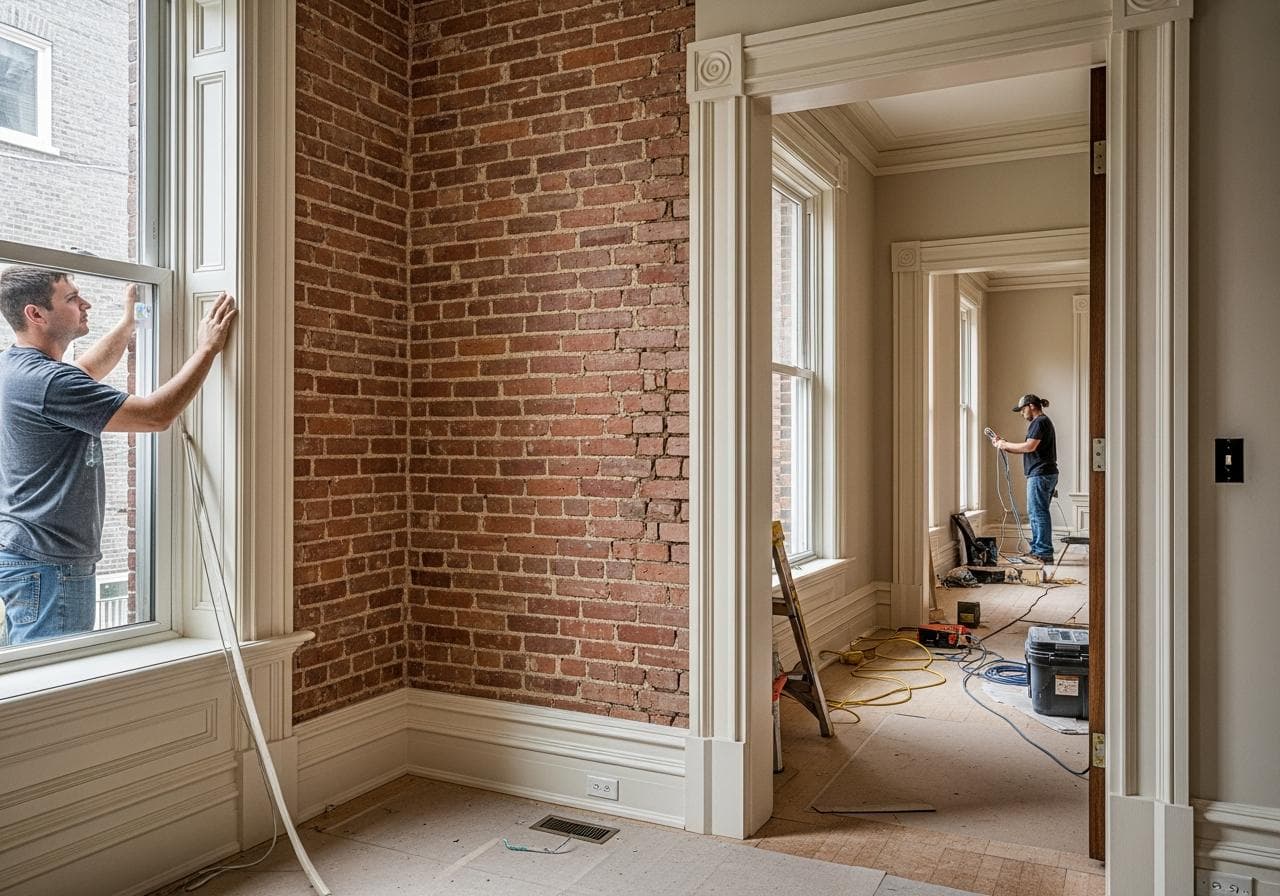
When working on the exterior, focus on exterior restoration. This involves repointing brickwork, replacing rotten boards, and refreshing paint. Select colors that resonate with the history of the home rather than modern palate trends. This not only boosts curb appeal but also preserves the historic significance of your home.
Interior Design Considerations
Inside, let the home guide your design. Keep the interior millwork consistent with the house's style—think built-in cabinets, moldings, and period-appropriate fixtures. Balance heritage with comfort by retaining antique touches while introducing more ergonomic and aesthetic modern elements.
A Balancing Act: Style Versus Functionality
Remodelling isn't just an aesthetic exercise; it’s about making a home that functions well, too. Consider researching how you can marry the two. If you’re interested in what historic renovations could look like, check out this transformation of a historic kitchen in Fine Homebuilding. Here, classic meets contemporary!
Softening the Edges of Renovation
It’s important not to go overboard with renovations that could strip away the home’s original charm. Preserve, repair, and restore instead of wholesale replacement. While modern tools and materials are fantastic, integrating them with restored elements can yield a softer edge in your final look.
Documenting Your Journey
As you proceed, document your remodeling journey. Keeping a detailed log of each stage, from permits acquired to daily decisions, can help you refine your process and serve as valuable insight in the future. Besides, it can make for a compelling storytelling piece when friends visit while marveling at what you did with your historic treasure!
Caring for Historic Bathrooms
Don't overlook the bathrooms! Properly restoring a historic bathroom while implementing modern conveniences requires delicate planning. Check out this stunning renovation in Brooklyn for some inspiration: Remodelista. It’s a great example of marrying heritage with function.
Making the Right Decisions
Lastly, always gather advice from professionals with experience in historic renovations. They can help mitigate unexpected challenges and provide cost-effective solutions. Tools and materials should align with the historic integrity while providing modern functionality. This will lead to a project that will stand the test of time!
Love for historic homes is what drives successful remodels. They are not merely houses; they are stories waiting to be told.
As you restore your own slice of history, keep these best practices in mind for a home that respects the past while embracing the future!
Related Posts
Accessible Home Remodel Tips For A Barrier Free Living
Modify your home for better mobility. Prioritize safety, independence, and comfort to enhance your living space.

Asset Management Software For Construction Projects
Optimize construction asset lifecycles, track equipment, reduce downtime, and improve project efficiency.
Barrier Free Home Ideas For Safety And Accessibility
Design a home for everyone with inclusive design, maximizing safety, independence, and overall accessibility features.