
Best Practices For Managing Contractors During Renovations
Effective contractor management during renovations ensures project success, minimizing risks, and optimizing overall outcomes for your renovation.
Renovating your home can be an exciting yet overwhelming task, especially when you're dealing with contractors. Whether you're diving into a kitchen renovation, a bathroom remodel, or even a home addition, effective management of contractors ensures your project runs smoothly. Here, we share best practices that revolve around the essential yet often overlooked aspects like permits and inspections.
Understanding Permits and Inspections
The first step in any renovation project is understanding the permits and inspections required in your locality. Whether you're planning extensive electrical work, plumbing services, or a simple flooring installation, it's crucial to know what approvals you need before starting. Most cities require permits for major renovations to ensure compliance with building codes. Your contractor should assist you with this process, but it's good to have a basic understanding.
Choosing the Right Contractor
Choosing the right contractor is crucial to the success of your renovation. Look for reviews, ask for recommendations, and ensure they have experience with similar projects, be it roof replacement or hvac installation. A reliable contractor should also be knowledgeable about permits and inspections, ensuring they handle these aspects smoothly without delays. Make sure to discuss your architectural plans in detail so you can envision the project's outcome together.
Clear Communication is Key
Good communication keeps everyone on the same page. Be direct about your vision for your home, whether it’s interior design styles, materials, or timelines. Schedule regular check-ins to discuss progress and any challenges. If issues arise—like an unexpected finding during window replacement—addressing these promptly will keep your renovation on track.
Setting a Realistic Budget
When budgeting for your project, allow for flexibility. Costs can escalate, especially when dealing with unforeseen issues in areas like plumbing services or structural changes! Include allowances for those permits and inspections, and always have a bit set aside for emergencies. A detailed plan will serve as your road map, guiding you through planned expenses while still keeping an eye on unexpected ones.
Stay Informed About the Schedule
Every renovation project needs a timeline. From when the contractor starts to when the project ends, each step should have a defined timeframe. Ensure that your contractor provides you updates when timelines change, especially for services like roof replacement or any major alterations. If delays occur during flooring installation or other tasks, having a schedule will help you remain calm and collected.
Protecting Your Home and Belongings
Renovations can be messy. To protect your home, cover furniture and floors in areas adjacent to the work site. Discuss with your contractor methods to minimize damage and debris. Check out this helpful article on how to protect your home during a remodel that details precautions worth taking. It's an essential step that can save you a lot of clean-up time later.
Execute Methodical Inspections
Regular inspections are crucial at different stages of the project. After significant tasks—like hvac installation or major electrical work—ensure inspections are completed as required by your permits. These checks will help you guarantee that everything is up to code and meeting your specifications. Your contractor should be able to coordinate these inspections effectively.
Remain Adaptable
Documentation is Your Best Friend
Throughout the renovation process, keep meticulous records of all contracts, communications, and permits. This documentation will be invaluable if disagreements arise, or you need to refer back to architectural plans or the work completed. Should there be any issues post-renovation, you’ll be glad to have everything documented. It also helps ensure all permits and inspections are taken care of properly.
Establish a Positive Working Relationship
Creating a respectful and positive relationship with your contractor will not only make the process easier but can also lead to better outcomes. Show appreciation for their hard work and maintain a friendly demeanor. After all, you want to work together cohesively towards your vision of a beautiful home, whether that’s a cozy kitchen renovation or an expansive home addition.
Wrapping Up
Managing contractors effectively during renovations can be challenging but fun when you follow some best practices. Communication, documentation, and understanding requirements for permits and inspections are all critical for a smooth journey. Look for trusted partnerships with your contractors and maintain open lines of dialogue. For more insights into flooring finishes, check out this expert advice on affordable floor finishes. Let's not forget, it’s all about transforming your living space into something you'll cherish for years to come!

Related Posts
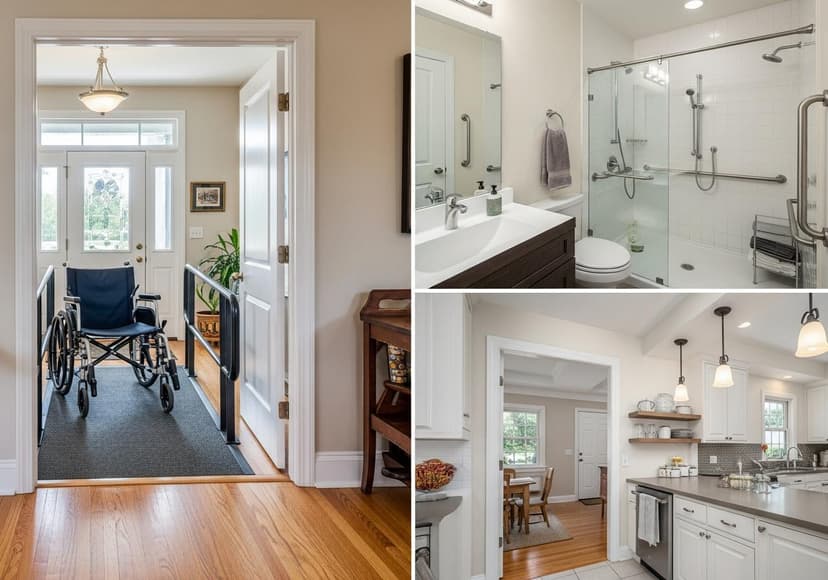
Accessible Home Remodel Tips For A Barrier Free Living
Modify your home for better mobility. Prioritize safety, independence, and comfort to enhance your living space.

Asset Management Software For Construction Projects
Optimize construction asset lifecycles, track equipment, reduce downtime, and improve project efficiency.
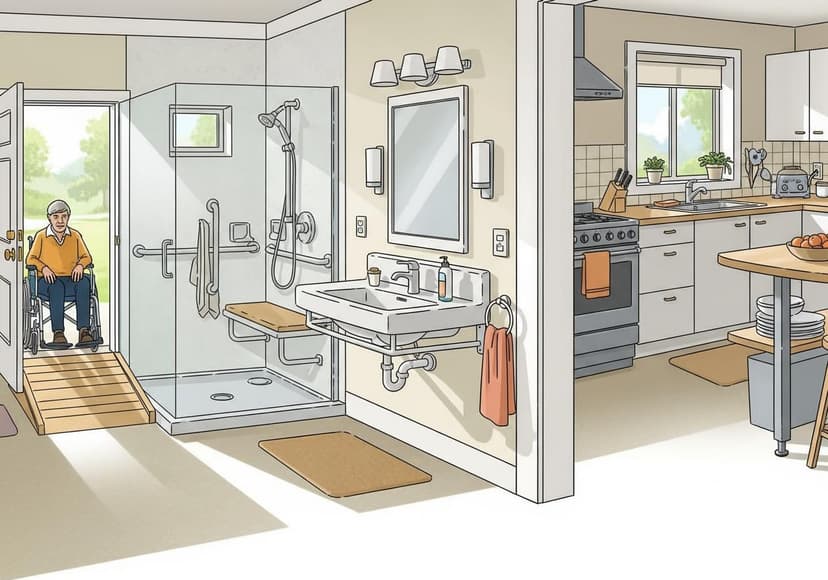
Barrier Free Home Ideas For Safety And Accessibility
Design a home for everyone with inclusive design, maximizing safety, independence, and overall accessibility features.