
Best Practices For Hiring Subcontractors
Secure the best talent, define clear expectations, and ensure successful project outcomes with these strategies.
Understanding Financial Stability
Before diving into the complexities of hiring subcontractors, it's crucial to understand what financial stability means for your potential hires. You want subcontractors who are financially sound, as it impacts their ability to commit to your project. A financially unstable subcontractor might cut corners, face cash flow issues, or even leave you in a lurch midway through a job.
1. Initiating Bid Solicitation
The first step to bringing on a subcontractor is effective bid solicitation. Draft a clear description of your project to attract qualified candidates. Be transparent about subcontractor costs and what you expect in terms of quality and timeframe. This will help you filter out those who are not a good fit right from the start.
2. Contractor Vetting
Once you have a list of potential subcontractors, it's time for contractor vetting. This often involves checking their references and looking at their previous work. The more you know about their financial health and past projects, the better you can assess their ability to complete yours on time and within budget.
3. Conducting Background Checks
Do not underestimate the importance of background checks. This isn't just about criminal records; it's also about their reputation in the industry. You may find reviews from previous clients or ratings from local trade organizations that can aid in your decision-making process.
4. Assessing Insurance Coverage
All subcontractors should carry their own insurance. Verify their insurance coverage against liability, workers' compensation, and damages. This protects you if something goes wrong on the job and saves you financial headaches down the line.
5. Navigating Compliance Requirements
Make sure that your chosen subcontractors meet all necessary compliance requirements. This includes licensing, certifications, and any local regulations pertaining to your project. Not only is this essential for the legality of the job, but it also showcases financial stability when a contractor is compliant.
6. Negotiation Strategies
Once you narrow down your candidates, it's time to engage in negotiation strategies. Be prepared to discuss payment terms, scope of work, and timelines. This is crucial to avoid misunderstandings and to ensure that both parties are in agreement before work begins.
7. Crafting Legal Agreements
A well-drafted legal agreement not only defines the scope of work but also outlines payment terms, deadlines, and penalties for non-compliance. It's vital to have everything in writing. In case conflicts arise, this document becomes your go-to reference.
8. Risk Assessment
Always conduct a risk assessment before finalizing your subcontractor. This involves analyzing potential risks that could arise during the project lifecycle and discussing them openly with the contractor. Are they prepared to handle unforeseen issues? Their answers may provide additional insight into their financial readiness.
9. Payment Terms
This is where things get tricky. Establish clear payment terms that specify how and when you will pay your subcontractor. Consider structured payments based on project milestones to maintain both parties’ financial interests and ensure accountability.
Conclusion
Hiring subcontractors does not have to be daunting if you follow these best practices. Focus on financial stability, conduct thorough background checks, and make sure to have everything documented legally. For deeper insight, check out these helpful articles: signs of hiring a bad contractor, questions to ask a painter, and foundation advice. Remember, a bit of diligence can go a long way in ensuring a smooth and successful project.

Related Posts
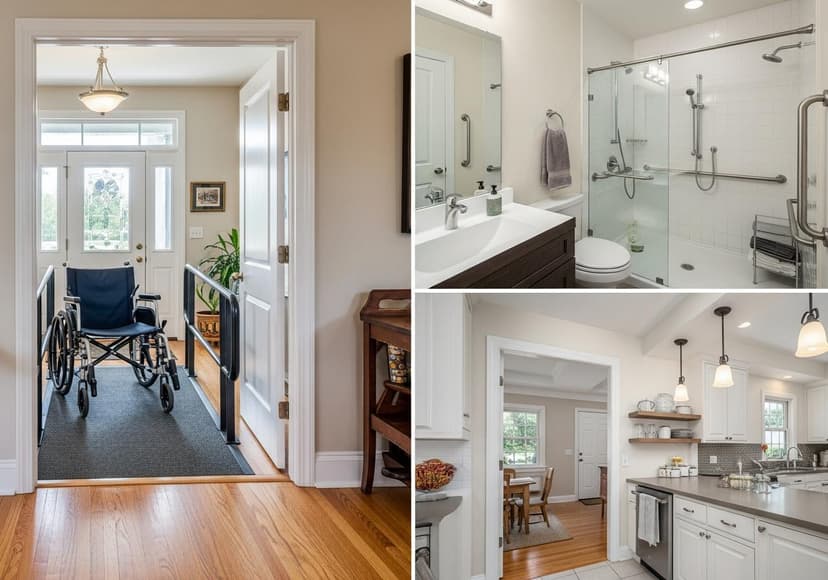
Accessible Home Remodel Tips For A Barrier Free Living
Modify your home for better mobility. Prioritize safety, independence, and comfort to enhance your living space.

Asset Management Software For Construction Projects
Optimize construction asset lifecycles, track equipment, reduce downtime, and improve project efficiency.
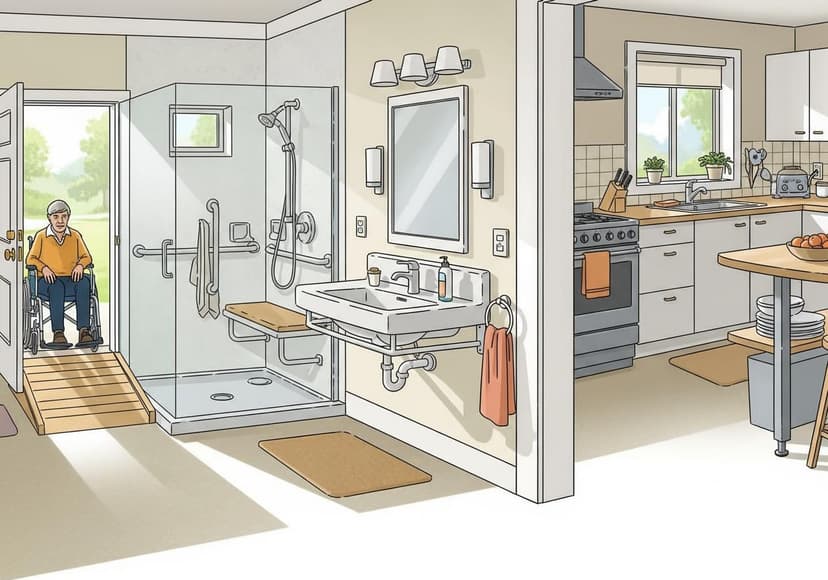
Barrier Free Home Ideas For Safety And Accessibility
Design a home for everyone with inclusive design, maximizing safety, independence, and overall accessibility features.