
Basement Waterproofing Tips To Prevent Water Damage
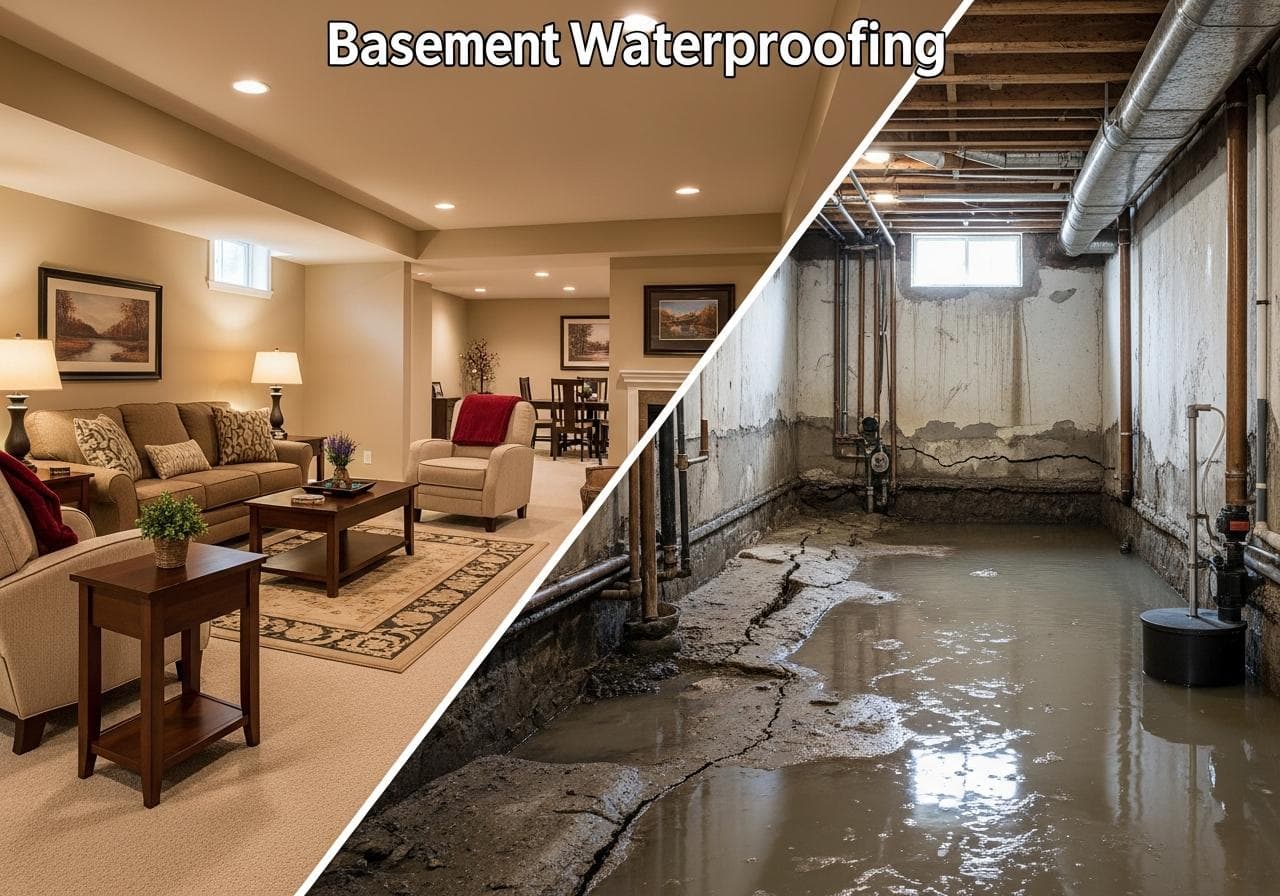
Waterproof basements to protect your home. Address cracks, improve drainage, and use sealants for lasting protection.
Water damage can be a homeowner's worst nightmare, leading to costly repairs and potential health hazards. One of the key areas in a home that can be susceptible to water damage is the basement. Whether you’re dealing with a finished basement or an unfinished space, it’s essential to take basement waterproofing seriously. Here are some tips and tricks to help keep your basement dry and protect your home from water damage.
Understanding Basement Waterproofing
Basement waterproofing is the process of making your basement resistant to water accumulation. Whether you choose interior waterproofing or exterior waterproofing, both methods work to prevent moisture and water from penetrating your basement space.
By investing in proper waterproofing measures, you're essentially safeguarding your property against water damage that can lead to larger issues down the road such as mold and mildew growth, structural damage, or even the need for extensive foundation repair.
The Importance of a Drainage System
A well-designed drainage system is crucial in keeping your basement dry. This system should direct water away from your home’s foundation. Many homeowners opt for a French drain, which can effectively channel water away during heavy rains. This not only helps to keep the basement dry but also reduces the risk of flooding.
To install a French drain, you'll need to dig a trench around your basement that will redirect water to a safe exit point. This system, combined with a sump pump, can significantly reduce the chances of accumulated water in your basement.
Crack Repair is Essential
Even small cracks in your basement walls or floor can be gateways for water to enter. Performing crack repair is essential in your waterproofing efforts. Use a high-quality sealant to fill in any gaps and cracks—ensuring the surfaces are clean and dry before application.
Be sure to check for cracks regularly, especially after a significant rainstorm or snow melt, as water can erode the foundation further. Implementing a good maintenance routine around crack repair can save you from larger problems later on.
Utilizing a Sump Pump
A sump pump is a fantastic investment for any homeowner concerned with basement waterproofing. These pumps are installed in a designated sump pit and are designed to automatically remove excess water that collects within your basement.
If you live in an area prone to heavy rain or flooding, a sump pump can be a lifesaver. Make sure to check and maintain this system regularly to ensure it functions correctly when you need it the most. Regular maintenance is mandatory to avoid unexpected failures, and while there is an associated waterproofing cost, the benefits far outweigh the expenses involved.
Moisture Control Strategies
Another important aspect of basement waterproofing is implementing effective moisture control strategies. This includes ensuring proper ventilation within your basement. Consider adding vents or using dehumidifiers to help manage moisture levels.
Keeping your basement well-ventilated reduces humidity, preventing the growth of mold and creating a healthier living environment. Mold not only damages your home but can also impact your health, which makes moisture control critical.
Choosing Between Interior and Exterior Waterproofing
When considering your waterproofing options, you can go for either interior waterproofing or exterior waterproofing. Interior waterproofing methods often include applying a waterproof coating, installing drain systems, and using sealants to block moisture entry.
On the other hand, exterior waterproofing involves digging around the foundation and applying waterproof barriers to keep out moisture. Both methods have their benefits, but exterior solutions tend to be more comprehensive if you can afford the higher waterproofing cost. Nevertheless, each home is different; assess what makes sense for your specific situation.
Sealants Make a Difference
The application of high-quality sealants can greatly improve your basement's resistance to water. Choosing the right type of sealant for your specific material (concrete, masonry, etc.) is essential. Products are available that can provide a waterproof layer over your basement walls and floors.
Sealants should be applied consistently to ensure maximum effect. Some products also come with long warranties, which can be a great relief for homeowners worried about future water damage costs.
Evaluating Waterproofing Costs
Understanding the waterproofing cost is essential when planning your basement waterproofing project. Costs can vary widely based on various factors, including the size of your basement, the extent of the work required, and the methods you choose.
For a DIY approach, you might save some money, but always weigh your skills against the potential risks. Professional waterproofing services may cost more upfront but can save you money in the long run by preventing severe water damage. Make sure to gather quotes from different contractors to find the best fit for your budget and needs.
Final Thoughts on Basement Waterproofing
Taking steps toward proper basement waterproofing can save you not just from the immediate inconvenience of leaks but from costly repairs in the future. Consider your options carefully, from installing a sump pump to ensuring your drainage system is effective.
Stay proactive about the maintenance of your basement to prevent water from becoming an enemy. For further reading on waterproofing products, check out this helpful guide on waterproofing products that can keep your basement dry. If you want some ideas on maintaining your basement space, you can refer to these care ideas for both finished and unfinished basements.
Lastly, check out this webinar about basement waterproofing to enhance your knowledge. Remember, the sooner you act, the less you will spend on future repairs!
Related Posts
10 Essential Tools For Home Maintenance
Maintain your home effectively with these crucial tools, ensuring repairs and upkeep are simpler to handle.

Accessible Living Solutions For Comfortable Homes
Home modifications and assistive technologies ensure safety, independence, and comfort for individuals with mobility challenges.
Air Quality Improvement Tips For Cleaner Indoor Air
Improve indoor air by ventilating spaces, using air purifiers, and regularly cleaning to reduce pollutants and allergens.