
Exterior Home Inspection Checklist And Tips
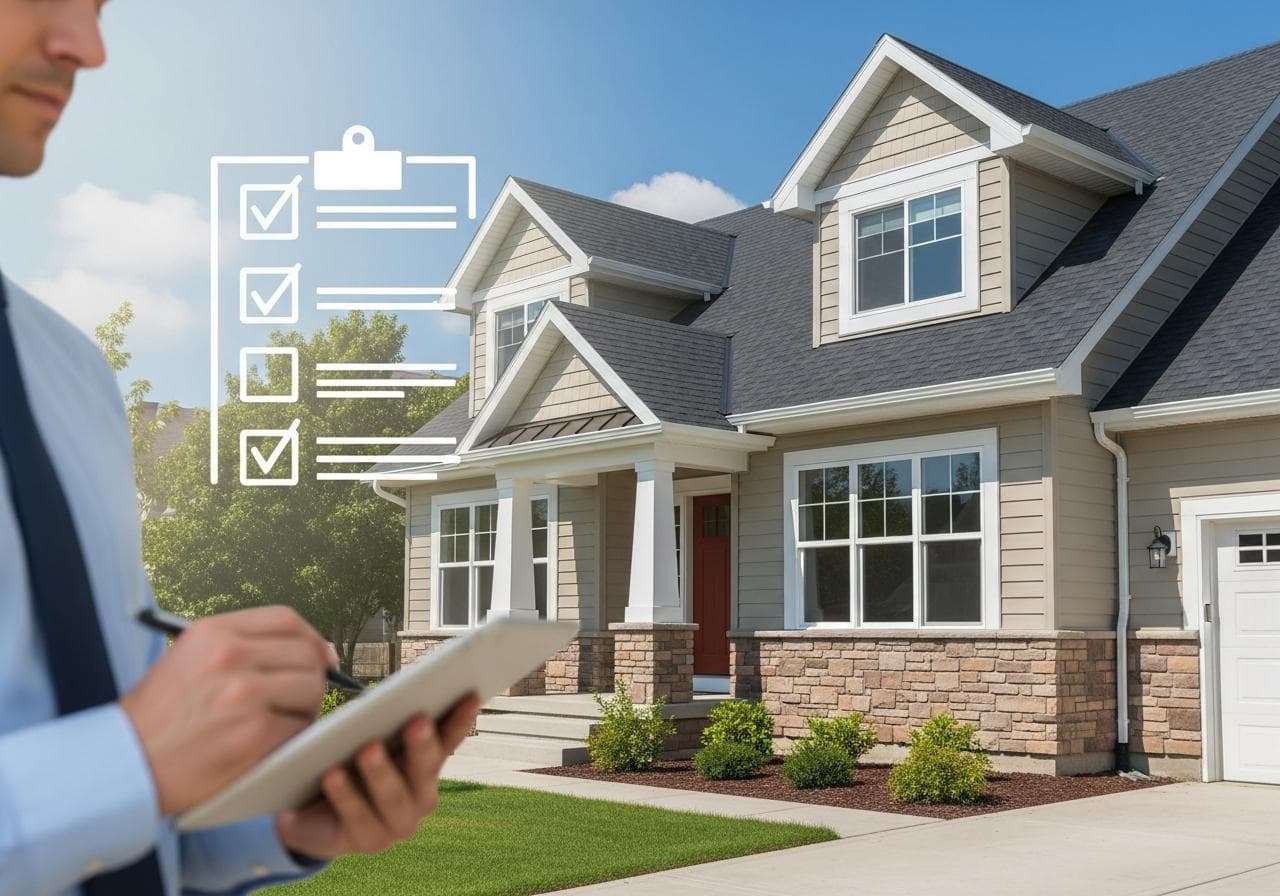
Inspect the home's exterior to identify potential issues, protecting your investment with these valuable tips.
Why Exterior Home Inspections Matter
When you’re gearing up for a home inspection, understanding the importance of the exterior can’t be overstated. An exterior assessment often serves as your first line of defense against larger problems down the line. You're not just looking for cosmetic issues; you're checking for potential hazards that could greatly affect the value of your property during a home appraisal.
Creating Your Exterior Home Inspection Checklist
Every great inspection starts with a solid inspection checklist. Your home inspector will likely have a comprehensive list, but it's beneficial to know what to look out for yourself. Start with the bigger elements of your home: the roof, foundation, and overall structure. These areas carry a lot of weight when it comes to both property inspection and building inspection.
Roof Inspection: A Must-Do
Don’t skip the roof during your exterior home inspection. Look for shingles that are missing, cracked, or curling. If you're not comfortable climbing up there, consider hiring a professional for a roof inspection. A compromised roof can lead to water damage and mold, impacting your home appraisal significantly. Don't forget to check the gutters as well; clogged gutters can cause roof damage over time.
Foundation Inspection
The foundation is the backbone of your home, so pay special attention to any signs of damage or settlement. Look for cracks in the foundation's walls, both inside and out. It’s also wise to evaluate the grading around your home; ensure that the ground slopes away from the house to help prevent moisture accumulation. A failure to address these issues during your house inspection can lead to costly repairs, impacting the overall value.
Windows and Doors
Next up are windows and doors. Check for any signs of water damage, rot, or mold around the frames. Make sure all windows can be opened and closed easily—all the seals should be intact. If you find drafty windows, consider their impact on energy efficiency—they could cost you down the line. If you're planning on a pre-purchase inspection, be sure to highlight these aspects to your inspector.
Exterior Walls
Inspecting the exterior walls is another crucial part of the process. Look for cracks, spots of peeling paint, or bubbling, which can signify deeper moisture issues. Siding material matters too; vinyl, wood, and brick each have different vulnerabilities. If you're in a high-moisture area, consider researching mold-resistant materials. Understanding your exterior walls helps inform you during a structural inspection.
Decks and Patios
If your home boasts decks or patios, don't neglect these areas. Check for loose railings, rotting wood, and missing screws. Decks need special attention, especially if they're made of wood. Use a pressure tester to check for soft spots which could indicate decay. They’re often a key feature that can sway a potential buyer during a home appraisal, so be sure to inspect them thoroughly.
Landscaping and Drainage
Your home's landscaping plays a vital role in its overall health. Ensure that trees aren't too close to the house, as roots can invade the foundation. Also, evaluate your drainage system. Poor drainage can lead to foundation problems and ultimately hurt your property’s value. Look into installing French drains or other solutions to fix any drainage issues before the home inspection.
Humidity and Pest Control
Both humidity levels and pests can have a detrimental impact on your home. Check for signs of termites or other pests, especially in wooden structures. Consider conducting a termite inspection to head off any infestations. Moreover, if you're in a damp climate, be sure your home is equipped with a dehumidifier to mitigate mold and mildew risks.
Final Thoughts on Your Exterior Inspection
Before you dismiss your exterior home inspection as “just another checklist,” remember that thorough assessments can not only highlight problems but also help enhance your property’s resale value. A successful inspection can make your home appraisal process smoother. And if you’re feeling adventurous, embrace modern tools, like thermal imaging, to identify hidden issues. As mentioned in a fascinating article from Fine Homebuilding, this technology can detect discrepancies not visible to the naked eye, allowing you to address problems before they become major headaches.
For additional ideas on enhancing your outdoor spaces, check out Remodelista. No matter where you are in your home journey, staying informed empowers you to make the best decisions for your property.
Related Posts
Affordable Roofing Solutions From Certified Contractors
Find reliable, budget-friendly roof contractors for your home improvement. Certified experts ensure quality results.
Best Ways To Soundproof Rooms During Remodeling
Selecting the right underlayment safeguards your roof, preventing water damage and enhancing longevity for optimal performance.
Chimney Cleaning Services And Maintenance Guide
Regular inspections and cleaning are crucial for safe and efficient chimney function and to prevent hazards.