
Choosing Water Efficient Fixtures For Bathrooms
Water-saving bathroom fixtures decrease consumption, preserve resources, and lower utility bills, promoting environmental sustainability effectively.
In today's environmentally conscious world, choosing water-efficient fixtures for your bathroom is not just a trend, but a necessity. While the impact of our water consumption may seem minimal at an individual level, when combined with the consumption of millions of households, it truly adds up. Every drop counts! So let’s explore some key fixtures and components that can help you save water and reduce your bill, all while creating a more sustainable home.
Water-Saving Toilets
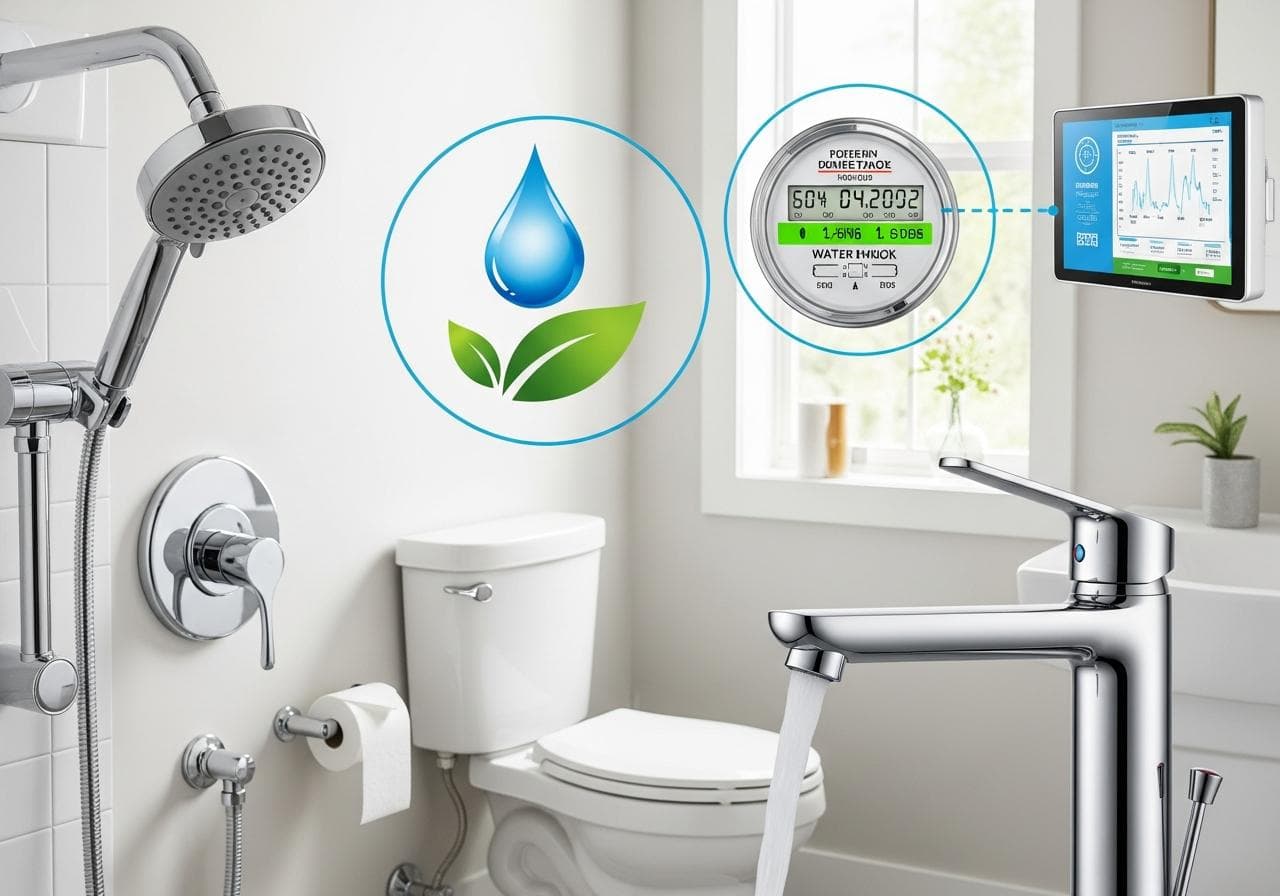
First and foremost, let’s talk about water-saving toilets. Traditional toilets use around 3.5 to 7 gallons of water per flush, but modern water-saving toilets can use as little as 1.28 gallons or even less. Coming in various designs—from dual-flush toilets to composting toilets—these options not only conserve water but also often help in managing waste more efficiently. The dual-flush feature offers two flush options: one for liquid waste and a higher volume for solid waste, allowing homeowners to choose the appropriate amount of water needed for each flush.
Low-Flow Showerheads
Showering is another area where water-efficient fixtures can make a significant difference. Low-flow showerheads can greatly reduce the amount of water you use without sacrificing water pressure. Many models on the market allow consumers to enjoy a pleasant shower experience while consuming as little as 1.5 gallons per minute, compared to standard showerheads that can use upwards of 2.5 gallons per minute. This small change can dramatically reduce water usage—and save you money over time!
Watersense and Touchless Faucets
Watersense faucets are certified for their water efficiency and often flow at 1.5 gallons per minute, a considerable reduction compared to traditional faucets. Furthermore, touchless faucets encourage reduced water waste as they automatically turn off when not in use. These smart bathroom fixtures not only offer convenience but also help prevent the common issue of leaving the faucet running, which can lead to significant water waste in the long run.
Water-Efficient Washing Machines
Let’s move away from bathrooms for a moment and focus on laundry. Opting for water-efficient washing machines can further improve your household’s water conservation. These machines often use less than half the amount of water required by older models while still providing a thorough clean. Additionally, many modern washing machines feature settings tailored to the size of your loads, ensuring that you're never using more water than necessary.
Smart Irrigation Systems
While not directly related to bathrooms, efficient use of water in landscaping is crucial too. Implementing smart irrigation systems helps to tailor your watering schedule based on weather conditions, helping conserve not just water but also energy. These systems can be linked with local forecasts to adjust watering times, ensuring that plants receive only what they need, minimizing runoff and evaporation.
High-Efficiency Urinals
If you are looking to upgrade a public or large family bathroom, consider installing high-efficiency urinals. These fixtures require less than a gallon of water per flush, which is significantly lower than traditional models. Not only do they conserve water, but they can also lead to decreased maintenance costs for larger facilities due to reduced plumbing wear and tear.
Leak Detection Systems
We can’t forget about the pivotal role of leak detection systems in maintaining water efficiency. These systems proactively identify leaks before they become problematic, saving both water and money. They use sensors to monitor water flow and shut off your plumbing automatically when a leak is detected, preventing extensive water damage and waste. Investing in leak detection systems can protect your home and save you from costly repairs down the line.
Greywater Systems and Rainwater Harvesting
For those looking to take their water conservation a step further, consider integrating greywater systems and rainwater harvesting solutions. Greywater systems recycle water from sinks, showers, and laundry for use in irrigation and flushing toilets, adding an extra layer of sustainability to your bathroom fixtures. Rainwater harvesting systems can collect and store rainwater for various uses, significantly reducing your reliance on municipal water supplies.
More Than Just Fixtures
Choosing water-efficient fixtures is not just about installing new products; it’s also about changing our mindset concerning water use in general. Simple measures like fixing leaks, waterproofing outdoor areas, and practicing mindful water use during daily activities can amplify the effects of the changes you make in your bathroom. According to Family Handyman, being water-aware in all areas of your home further complements your efforts to reduce waste.
Conclusion
As we move forward in a world where water scarcity is becoming increasingly common, it’s vital to select fixtures that promote conservation. From water-saving toilets to low-flow showerheads, every choice matters. Moreover, incorporating technologies such as leak detection systems reinforces the effectiveness of these tools, ensuring water is being used conservatively and efficiently. Share the knowledge, inspire others, and together let's choose fixtures that not only benefit our homes but also the planet.
For more innovative solutions, check out Remodelista discussing water-saving devices or Fine Homebuilding for insights on sustainable plumbing practices. Take proactive steps today to create a water-efficient home!
Related Posts
Ada Kitchen Design Tips For Safety And Comfort
Design kitchens with accessible layouts and features. Prioritize comfort, and ensure safe spaces for all users.
Accessible Bathroom Remodel Tips For Safety And Comfort
Prioritize grab bars, non-slip surfaces, and ample space for mobility to create a safe and comfortable bathroom.
Accessible Bathroom Remodeling Ideas For Every Home
Design modifications improve bathroom usability. Adaptable layouts create independence, safety, and comfort for diverse needs.