
Choosing Roof Drainage Options For Sloped Roofs
Effective drainage on sloped roofs involves gutters, downspouts, and proper installation for optimal water management and protection.
Understanding Sloped Roof Drainage
When it comes to roof maintenance, one of the most critical aspects is selecting the right roof drainage options. Sloped roofs are designed to efficiently direct rainwater away from the roof surface, preventing potential water damage and leaks. However, choosing the right drainage solutions tailored to your roof's design and local climate is essential for ensuring effective water management.
Common Gutter Systems for Sloped Roofs
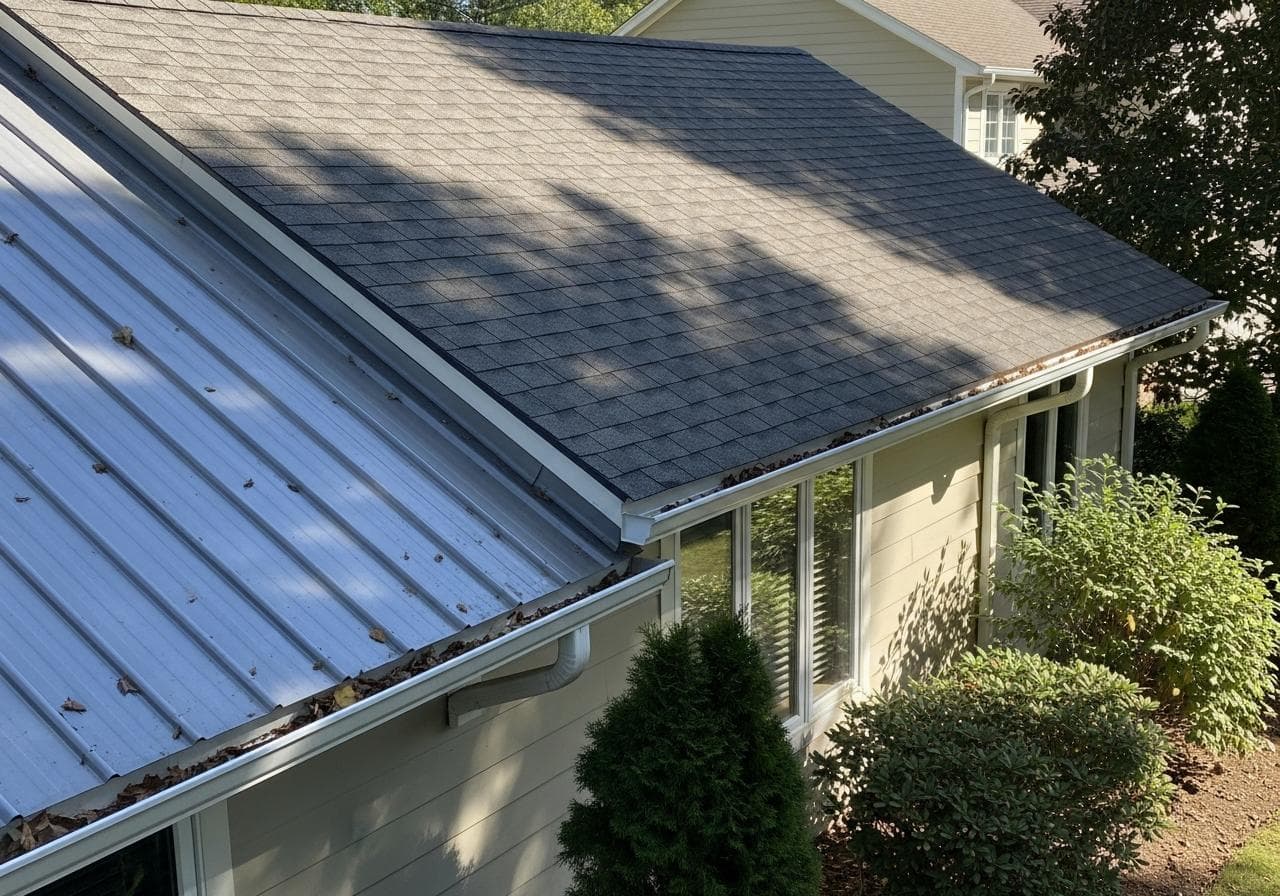
Gutter systems are a vital part of any sloped roof drainage plan. They act as the first line of defense against water runoff and are available in various materials, including aluminum, vinyl, and copper. Each material has its pros and cons in terms of cost, durability, and aesthetics. A well-designed gutter system can handle heavy rain, but regular inspections and roof maintenance are needed to clear debris and ensure everything is functioning properly.
Downspout Installation: Key to Effective Drainage
Once rainwater flows into the gutters, it needs a clear path down to the ground. This is where downspout installation becomes crucial. The placement and size of downspouts can significantly influence the efficacy of your gutter system. Ideally, they should be positioned at regular intervals along the roof to ensure no water collects in one spot. Always ensure that your downspouts direct water away from your home’s foundation, reducing the risk of water intrusion.
Innovative Roof Design Considerations
When selecting roof drainage options, consider the overall roof design. The slope, shape, and specific roofing materials used can all affect how well your drainage performs. For example, a roof with a steeper slope may need a more robust gutter system to handle heavy runoff. In contrast, flatter roofs might require an integrated drainage system, so planning is critical to avoid water pooling and related damages.
Eavestroughs: Function and Aesthetic
Eavestroughs, another term for gutters, may come in a range of styles, colors, and materials. They not only aid in water management but can also enhance the overall appearance of your home. Selecting eavestroughs that complement your exterior can bring aesthetic value while ensuring they function effectively. Regular roof maintenance is necessary to keep these systems free from blockages, which can lead to costly repairs down the line.
Rainwater Harvesting Systems: Eco-Friendly Drainage
If you're looking for a sustainable approach to your roof’s drainage, consider implementing a rainwater harvesting system. This system collects and stores rainwater for future use, such as irrigation or even household use (with appropriate filtration). Not only does it help in managing your roof's drainage effectively, but it also provides an eco-friendly solution that can reduce your water bills. Be sure to select systems compatible with your roofing materials for optimal performance.
Cost of Roof Drainage Systems
When planning your roof's drainage options, evaluating the cost of roof drainage systems is important. Invest in quality materials and design, as cheap alternatives may lead to more significant expenses in repairs and maintenance down the line. Assess your budget, but also consider the long-term savings of durable solutions over time. Always consult with a professional to find the best balance of quality and affordability.
Choosing the Right Drainage Solutions
Not all roofs are created equal, which makes choosing the right drainage solution a tailored process. Factors such as regional weather patterns, building codes, and personal preferences should influence your choice. Always consult with professionals to understand what options will be best suited for your unique needs. Additionally, consider products that provide warranties or guarantees, ensuring they last over time.
Regular Roof Maintenance Tips
Regular roof maintenance is vital for preserving the integrity of your sloped roof and its drainage system. Schedule seasonal inspections to check for any blockages or damage, perform minor repairs, and clean gutters and downspouts thoroughly. Consider using preventative measures, such as installing gutter guards, which minimize debris accumulation. All these efforts will keep your roof functioning effectively during rainstorms.
For More Information
If you're interested in learning more about roofing options, consider visiting some of these resources: Family Handyman for decking solutions, Remodelista for prefab houses, and Fine Homebuilding for decking over roofs.
Related Posts
Affordable Roofing Solutions From Certified Contractors
Find reliable, budget-friendly roof contractors for your home improvement. Certified experts ensure quality results.
Best Ways To Soundproof Rooms During Remodeling
Selecting the right underlayment safeguards your roof, preventing water damage and enhancing longevity for optimal performance.

Chimney Cleaning Services And Maintenance Guide
Regular inspections and cleaning are crucial for safe and efficient chimney function and to prevent hazards.